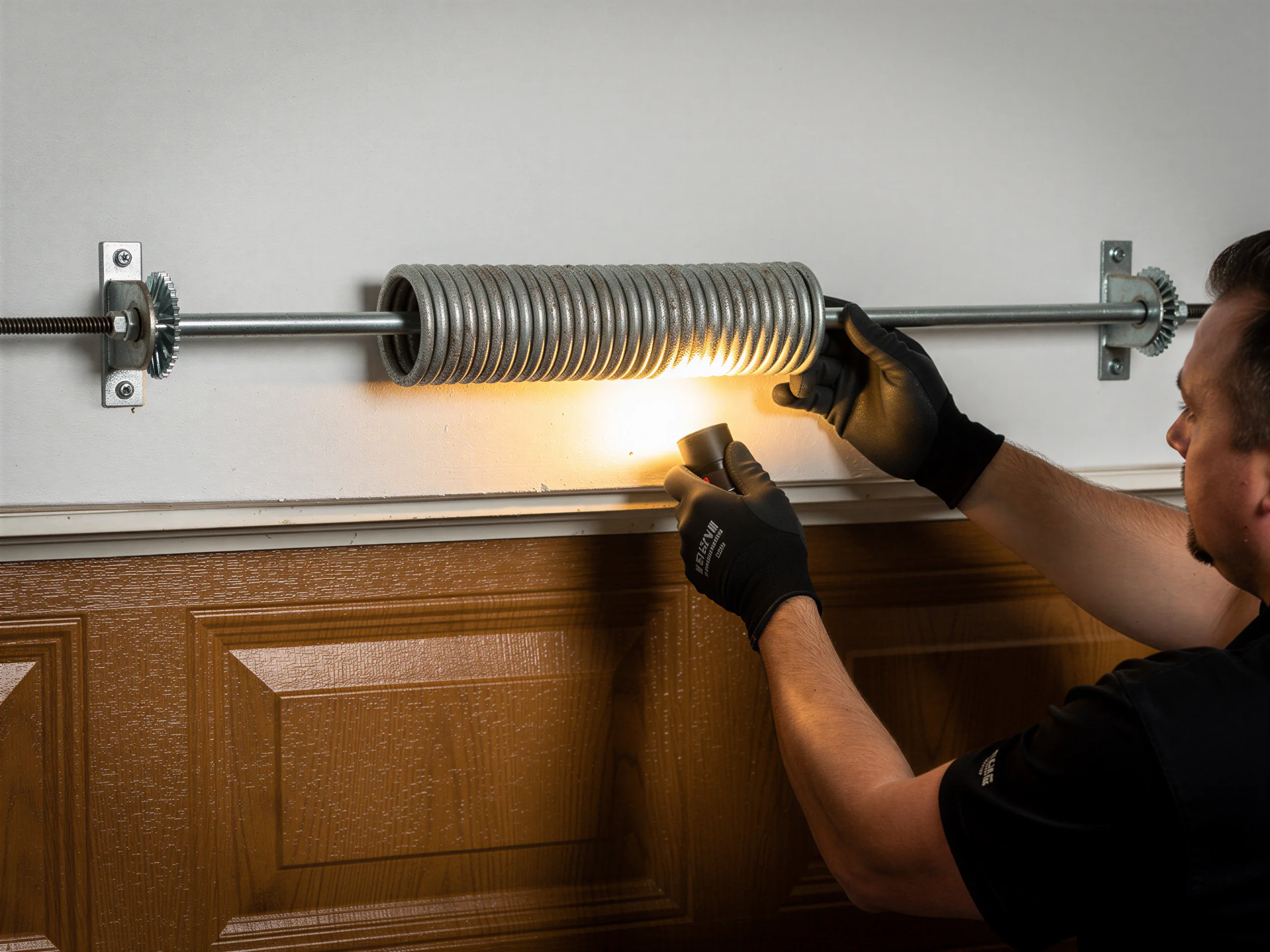
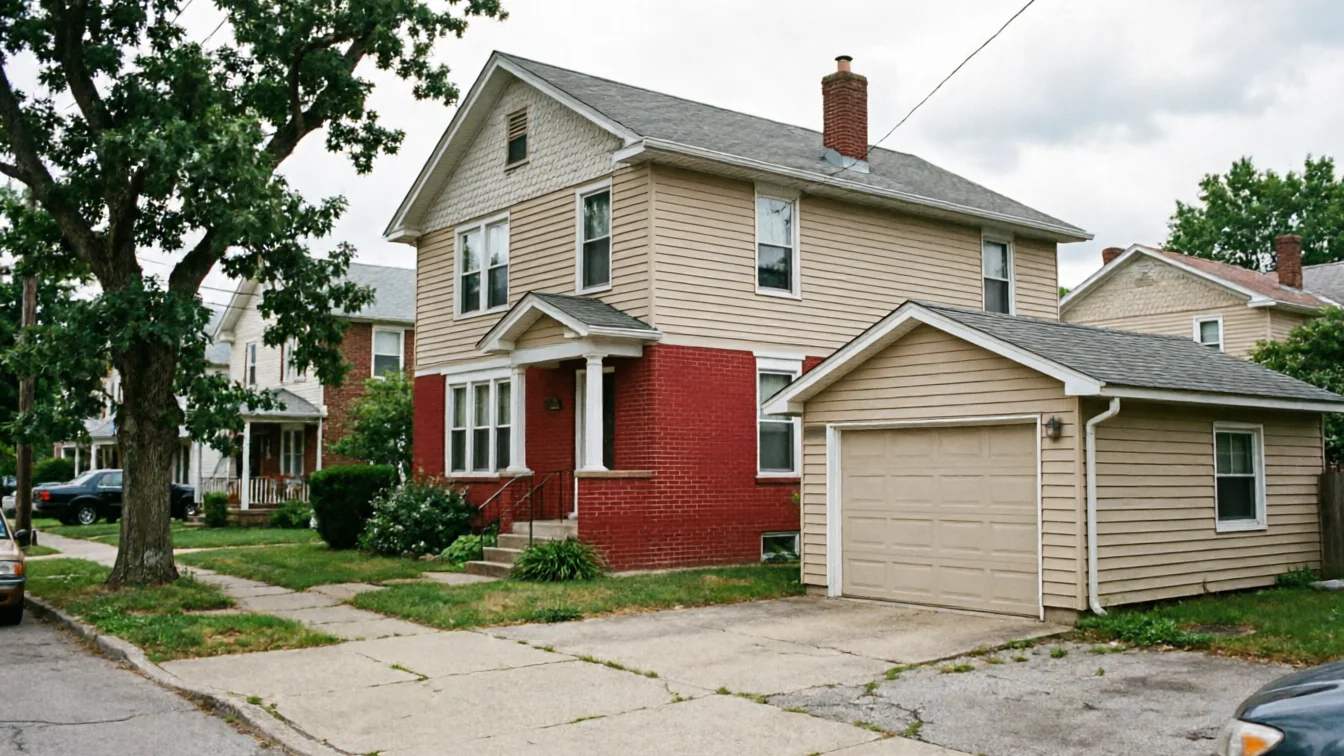
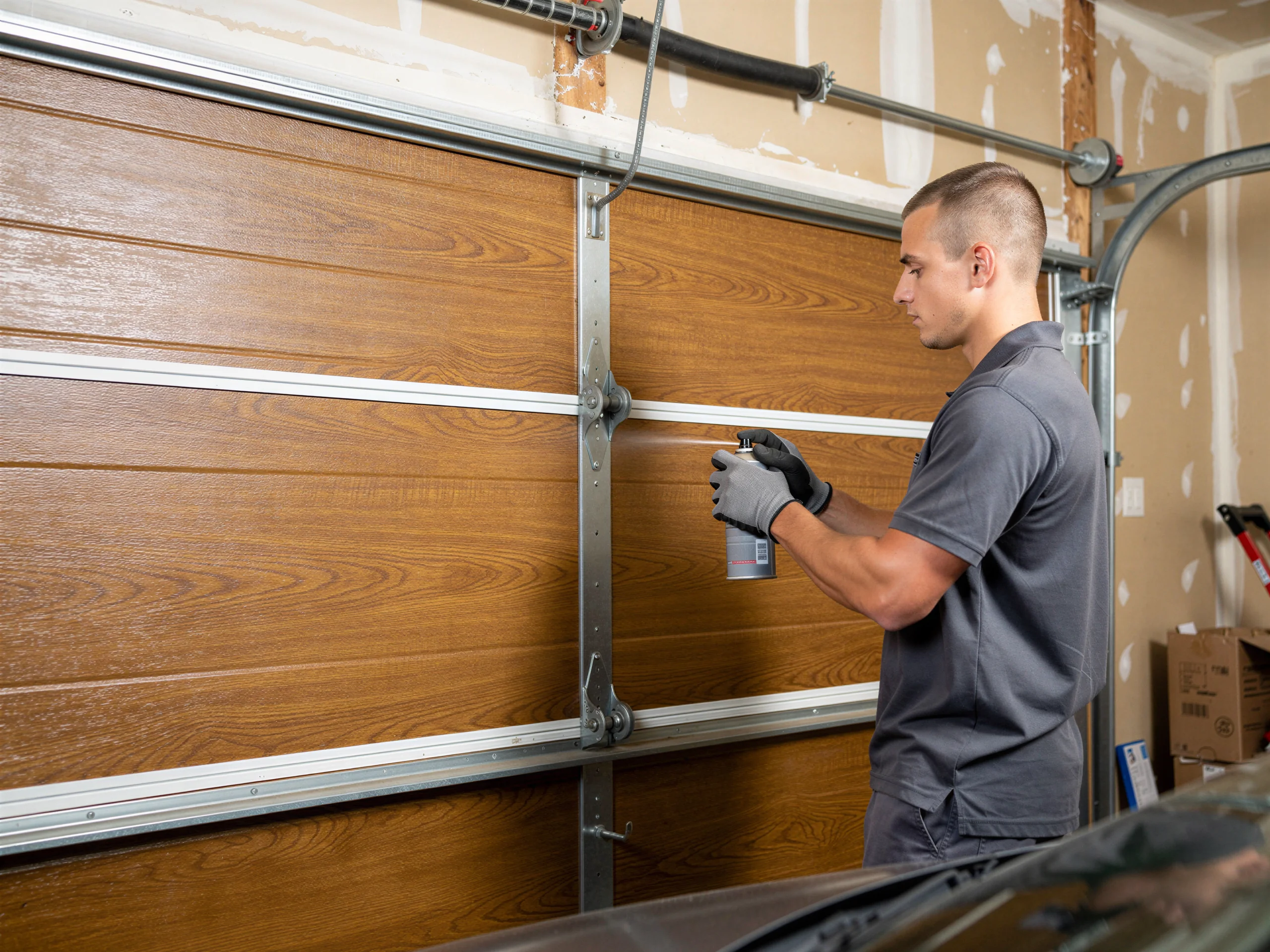
The math here is simple: a house built around 1973 has hardware that's closing in on 50 years old, if it hasn't already been replaced once. Springs are rated in cycles, not years, but 50 winters of expansion and contraction on steel that was never designed to last that long adds up regardless of how many times the door's been opened.
Cold matters too. This part of Minnesota sits in a severe cold climate band, and steel contracts in deep cold the same way it stretches in July heat - it's the swing between the two that fatigues a spring faster than either extreme alone. An extension spring that's already thinning from age has less give left to absorb that swing.
There's also an income piece worth naming plainly. Anoka's median household income is $75,262, well under the $110,833 median across the wider service area this company covers. That gap doesn't change how a spring fails, but it does change what people do about it - a lot of owners here run a failing spring longer than they should, because a full torsion conversion competes with other budget priorities. That's understandable, but it's also how a $150 spring job turns into a $600 opener replacement.