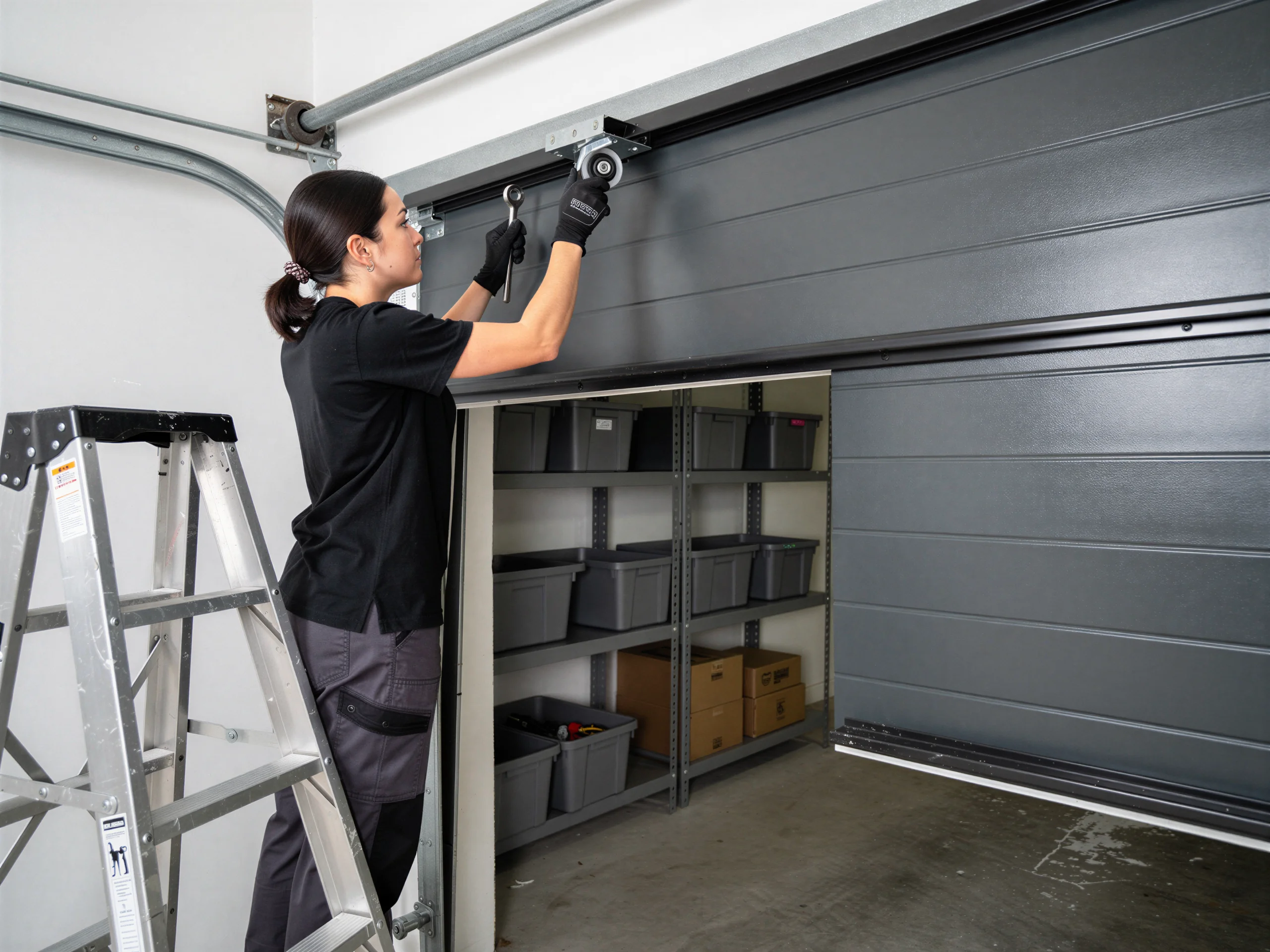
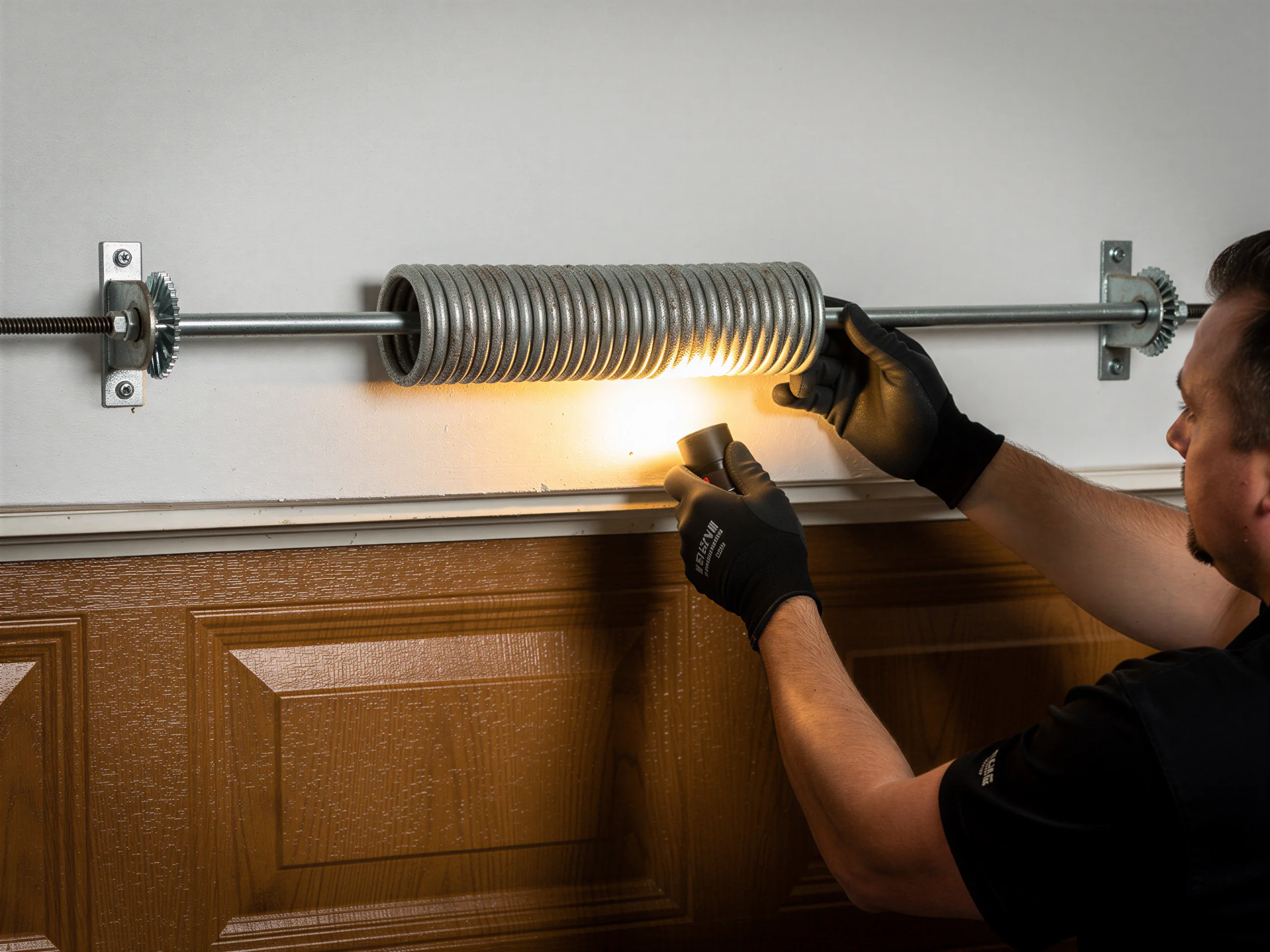
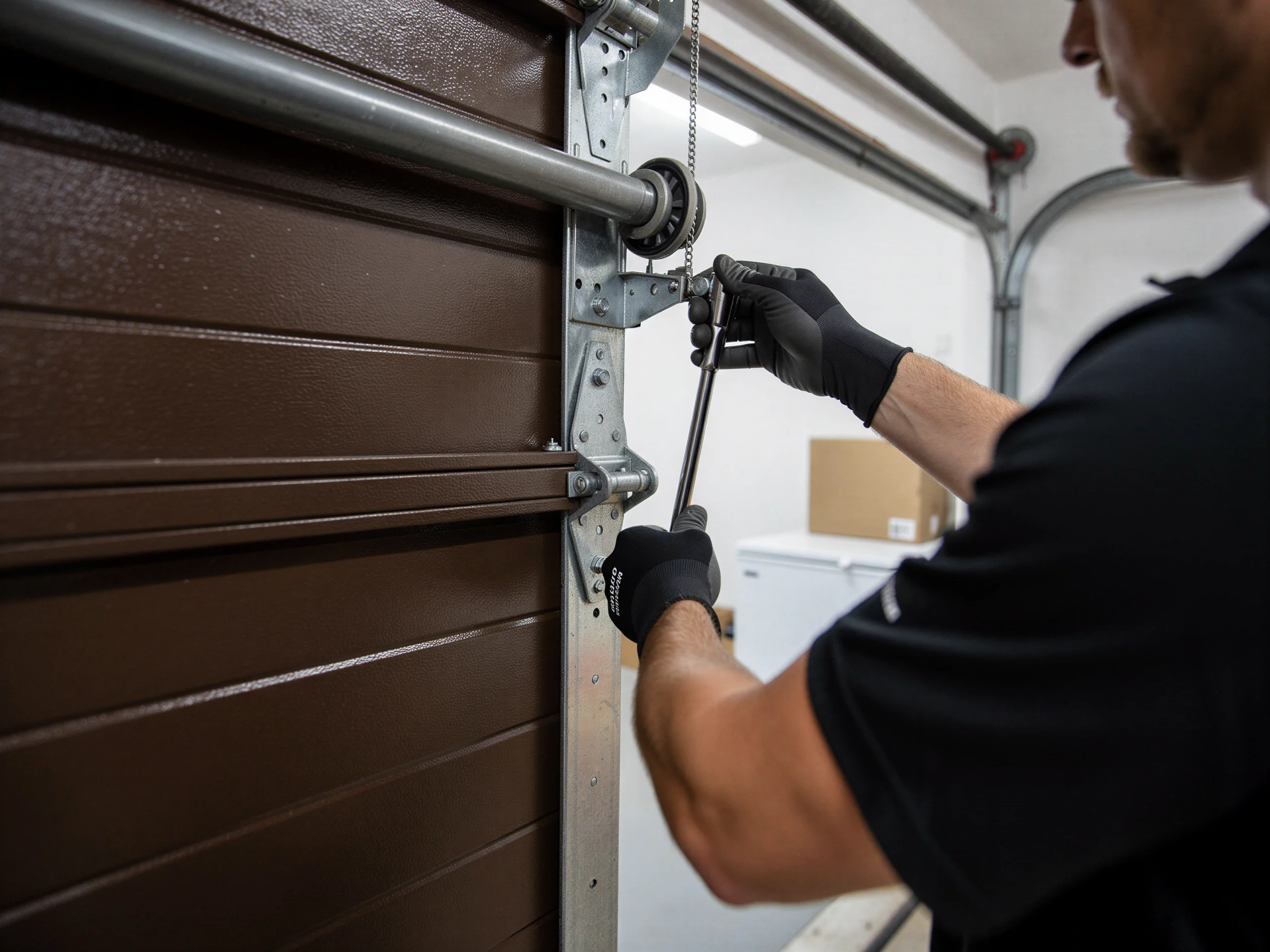
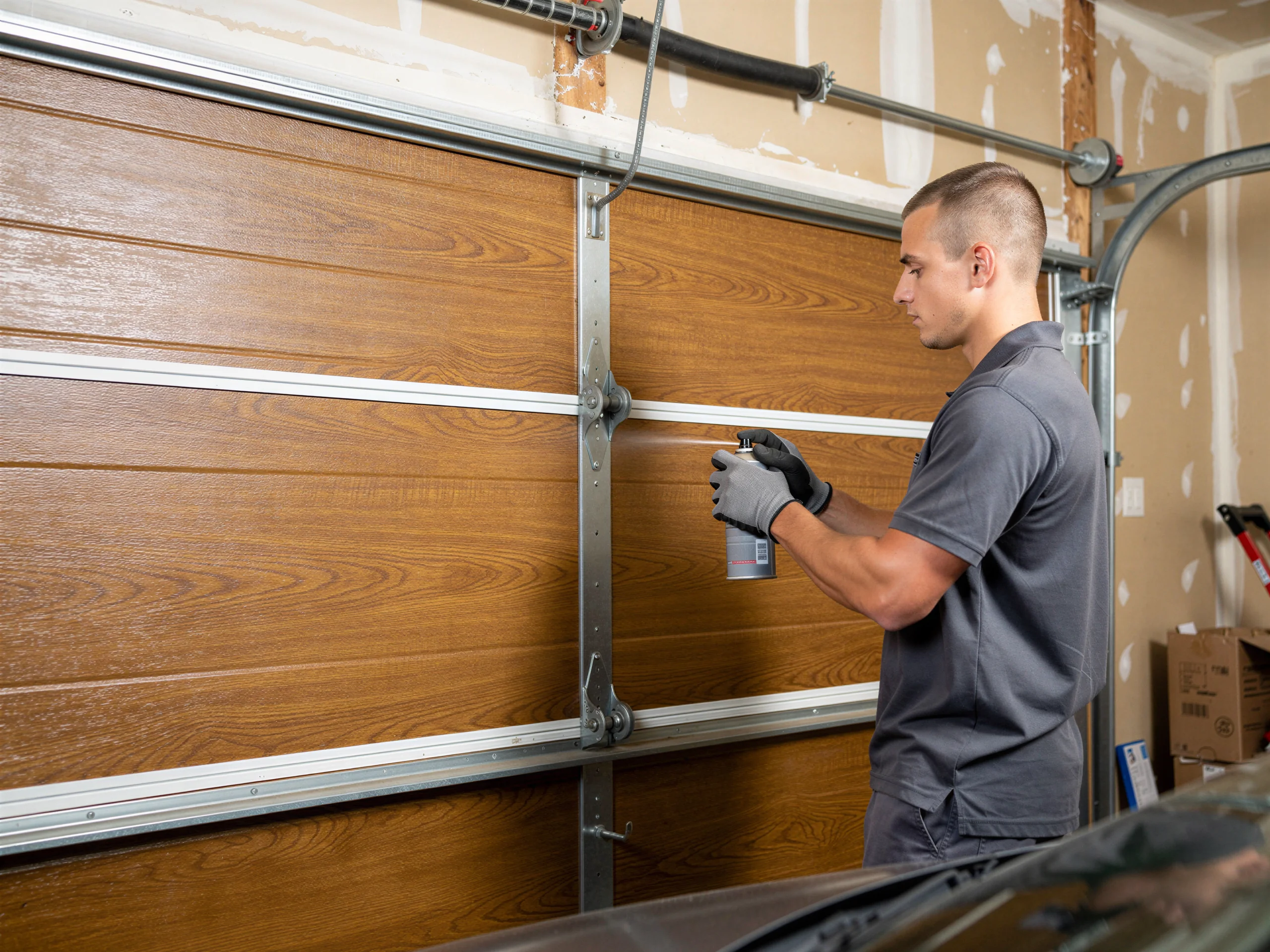
Minnesota's cold band is severe enough that an unheated garage swings through real freeze-thaw cycles every winter, and that's hard on the stamped-steel rollers that shipped standard on doors built from the mid-1960s through the mid-2000s. Steel rollers don't flex - the bearing packs harden in the cold, the stem pits where moisture collects, and a roller that was fine in September starts binding in January. Nylon rollers handle that cycle better, but a lot of the original 1980s and 90s stock across this area's 26 communities never got upgraded.
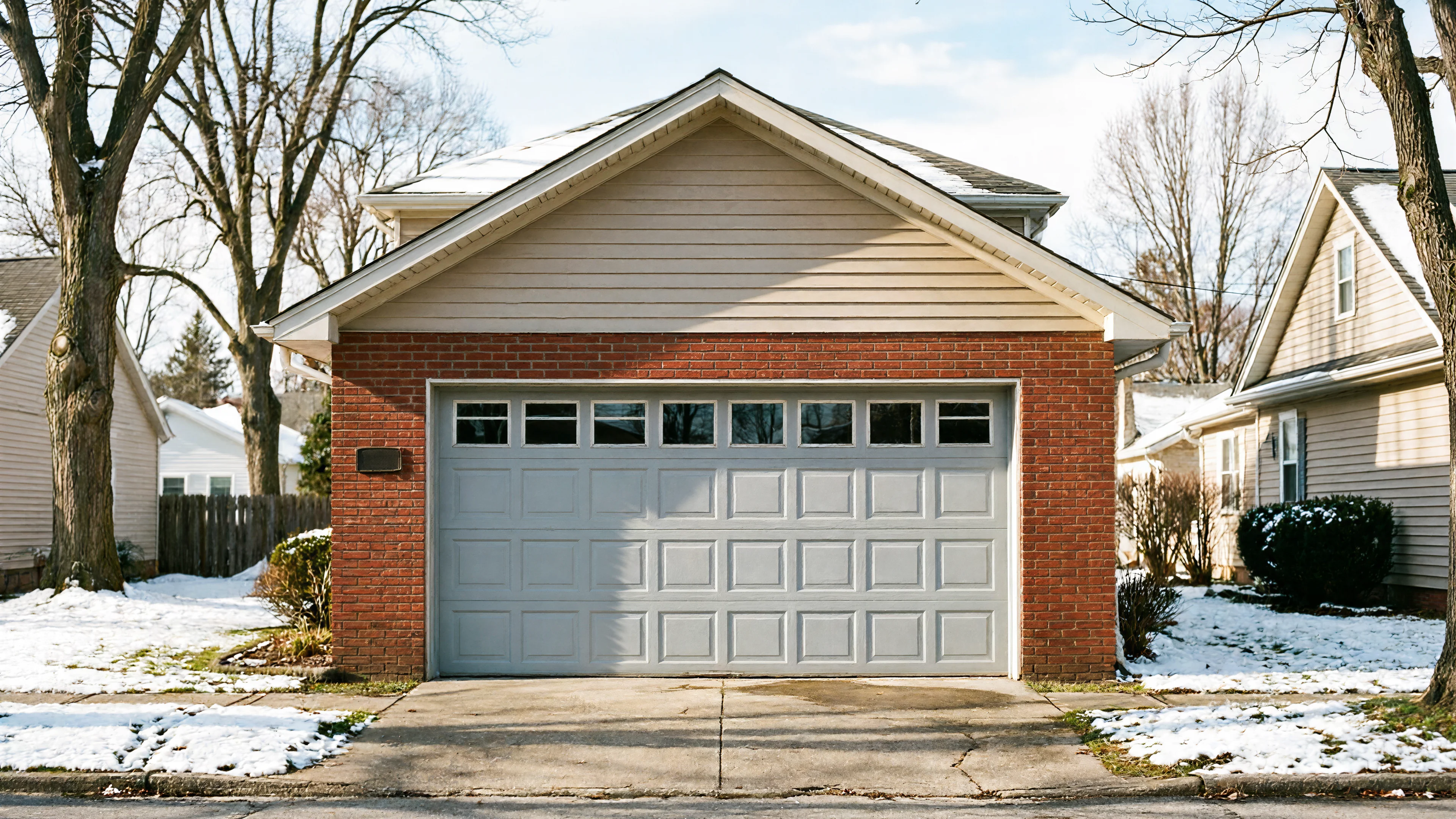
Because so much of the local housing falls in that same build window, the failure shows up in waves rather than one house at a time - a run of cold weeks and the call volume for grinding, sticking doors goes up across the board. It's not a manufacturing defect in any one door; it's thirty-plus-year-old steel doing what steel does in a climate this cold. Doors built after the mid-2000s with factory nylon rollers tend to hold up longer, which is part of why the age of the house matters more here than the brand of the door.