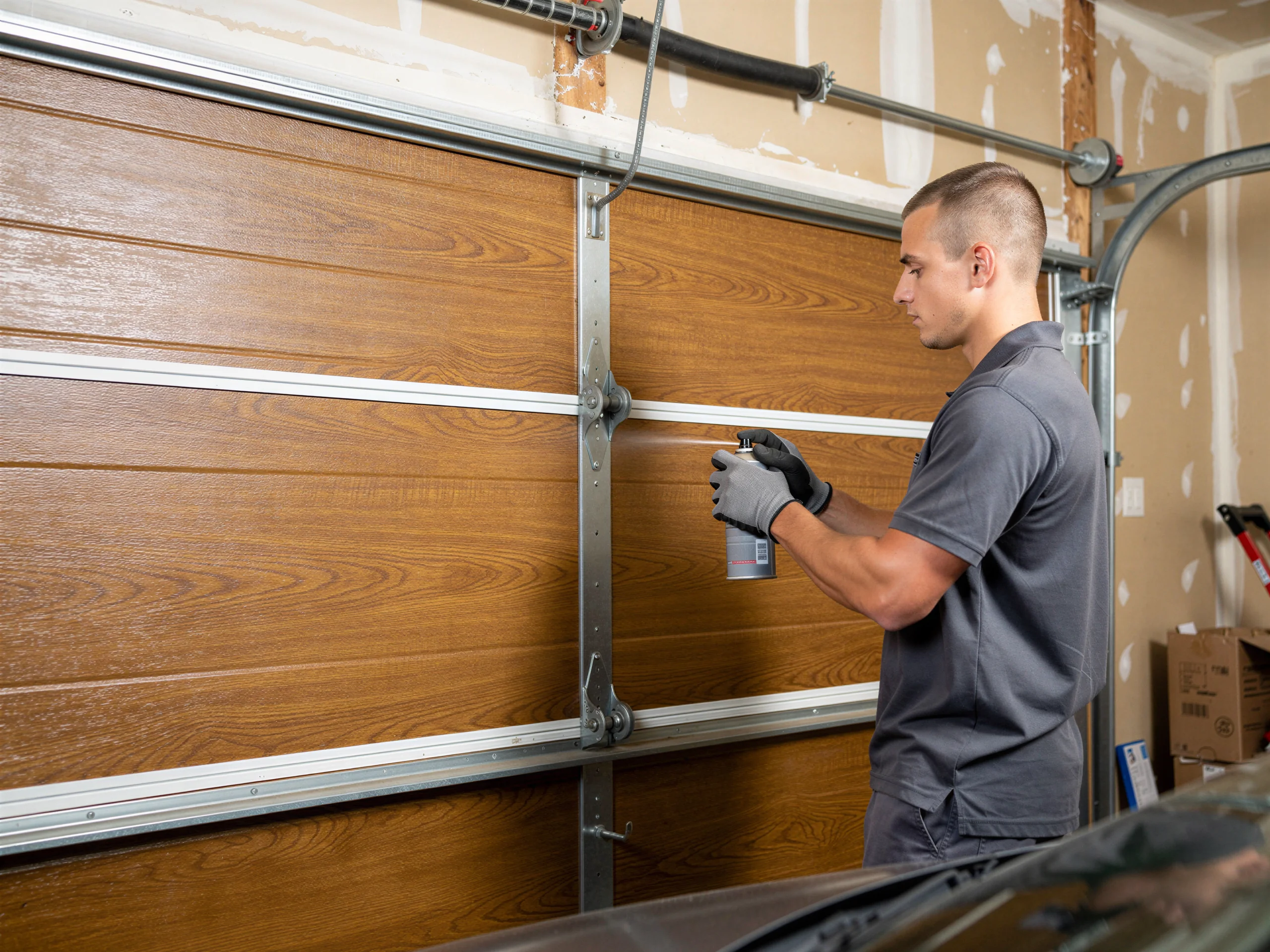
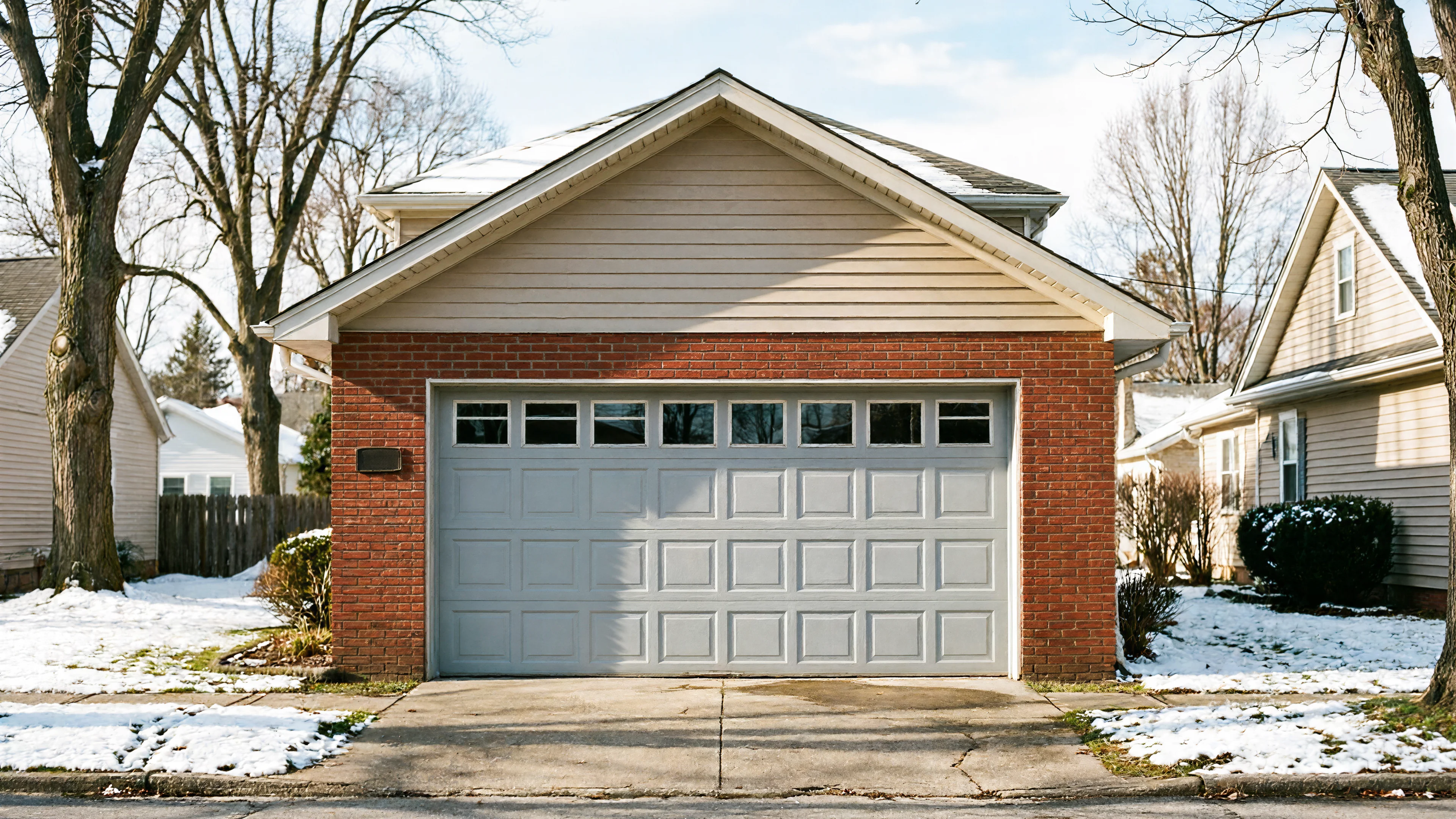
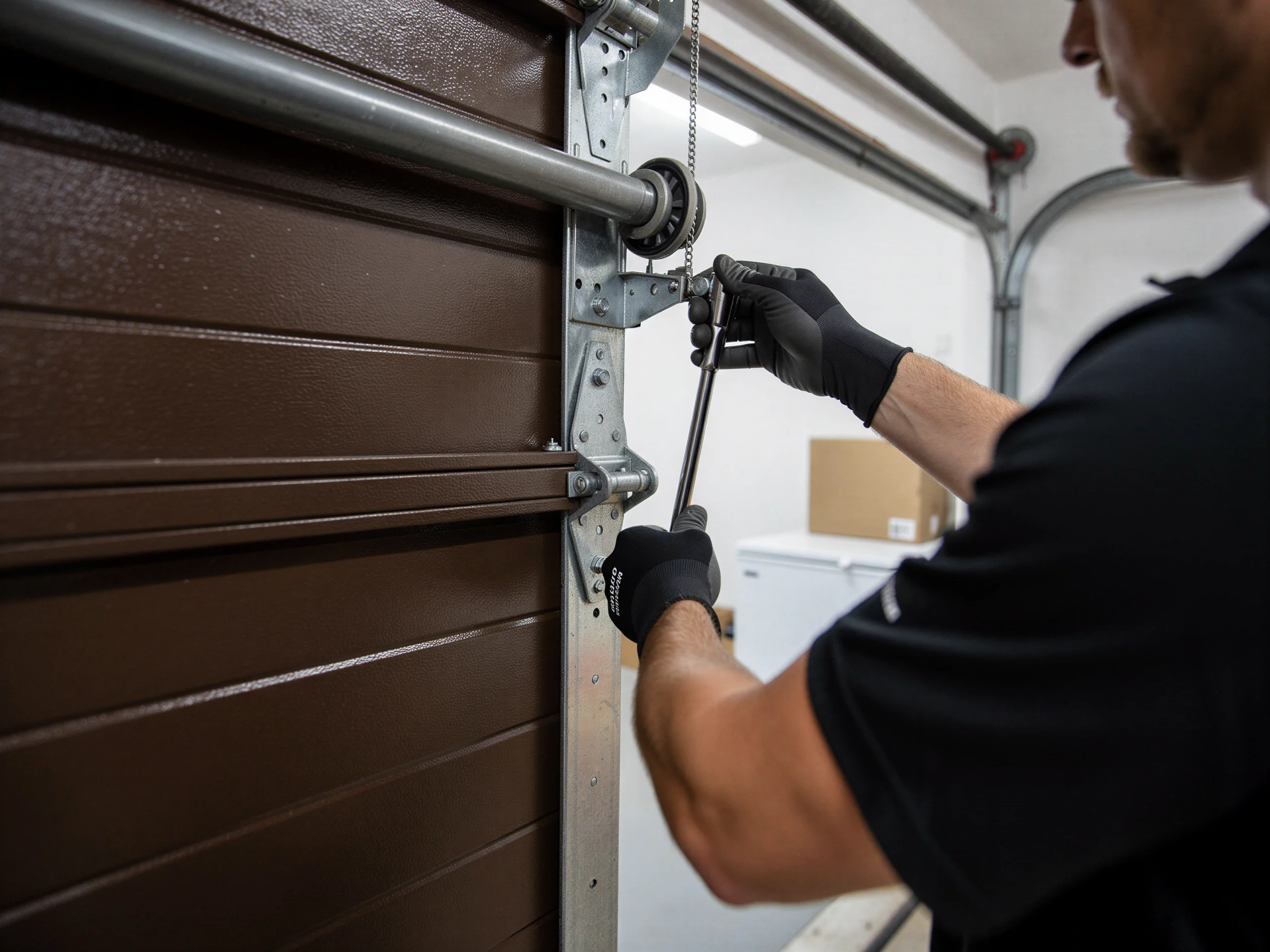
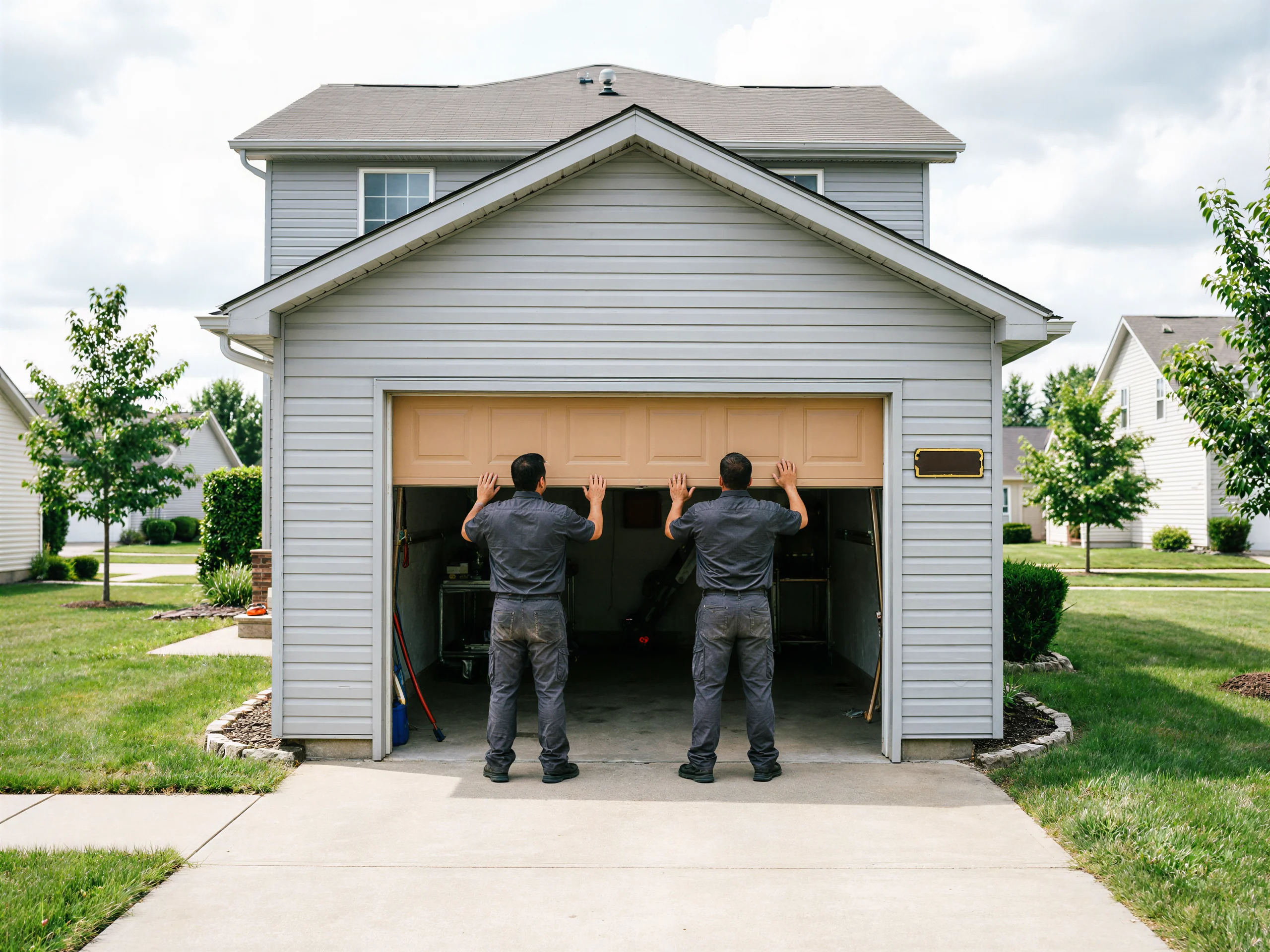
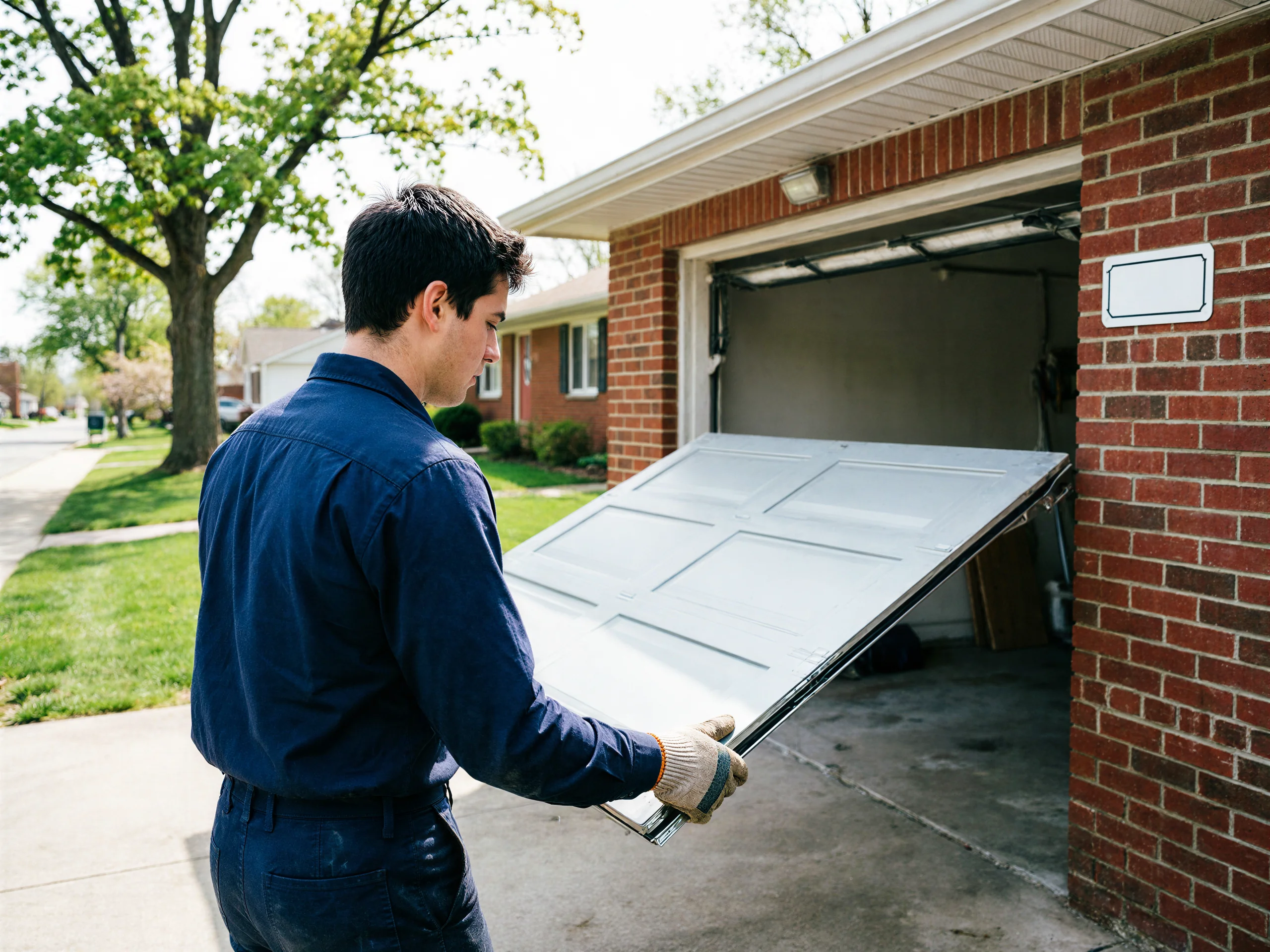
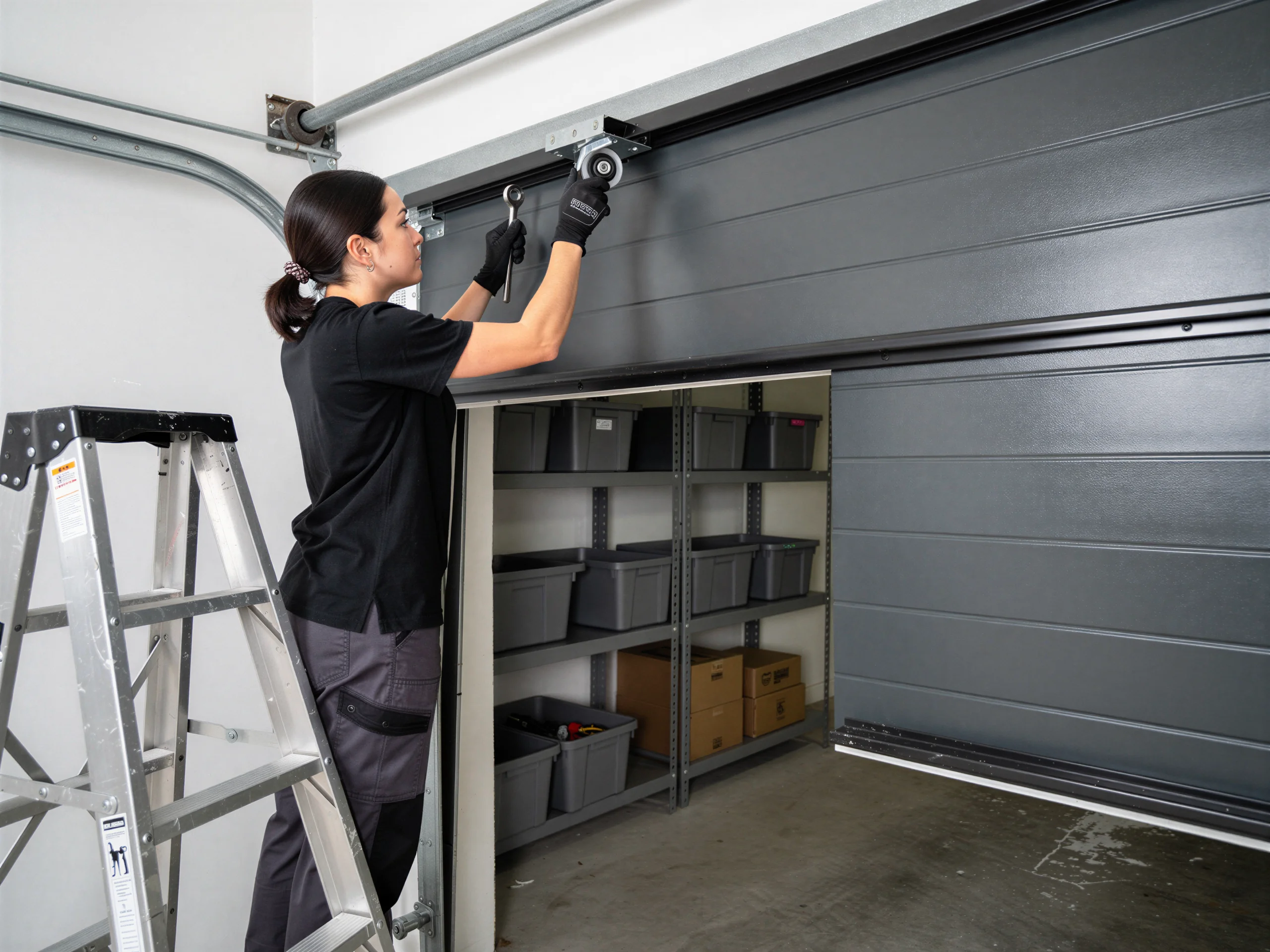
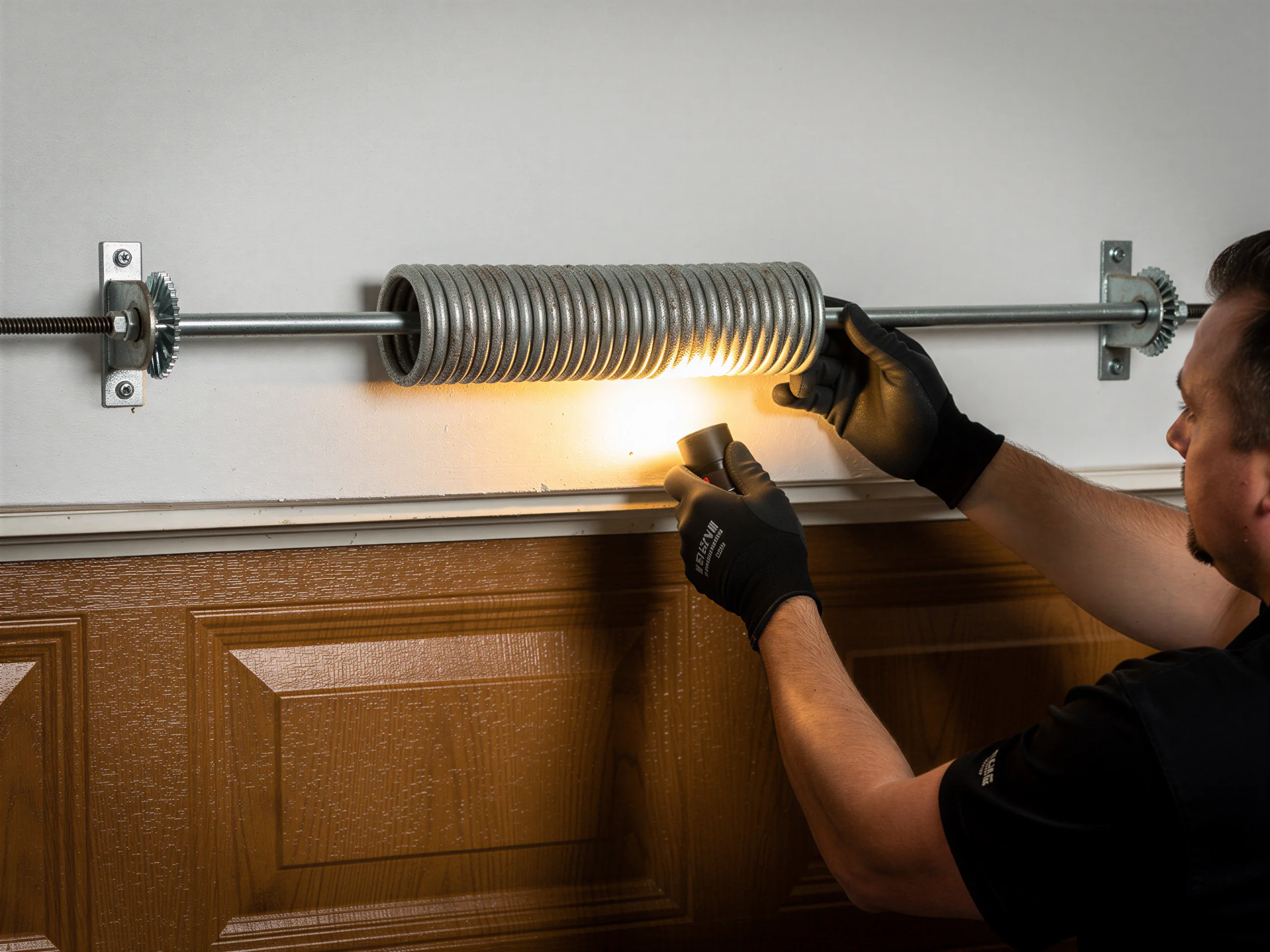
The failures above aren't random - they're what a cold-climate, 1973-vintage door does under stress. The service area sits in a severe cold climate band, and steel contracts in the cold faster than most owners expect. A torsion spring already near the end of its cycle count will often let go on the coldest morning of the year, not the warmest. Anoka's housing stock, concentrated in that 1973 construction window, mostly uses openings with hardware sized to lighter, non-insulated panels. When a homeowner swaps in a heavier insulated door without upgrading the spring, the new door sags at the top and the opener strains on every cycle. That mismatch between original hardware and a retrofit is the most common complaint we hear from doors in this age bracket, more than any mechanical defect in the door itself. We also see weatherstripping failure here more than on newer builds, since the bottom seals from that era were never built for the moisture swings between a Minnesota winter and spring thaw, and once the seal cracks, water finds its way under the door and freezes to the slab overnight, locking the door shut until it thaws.