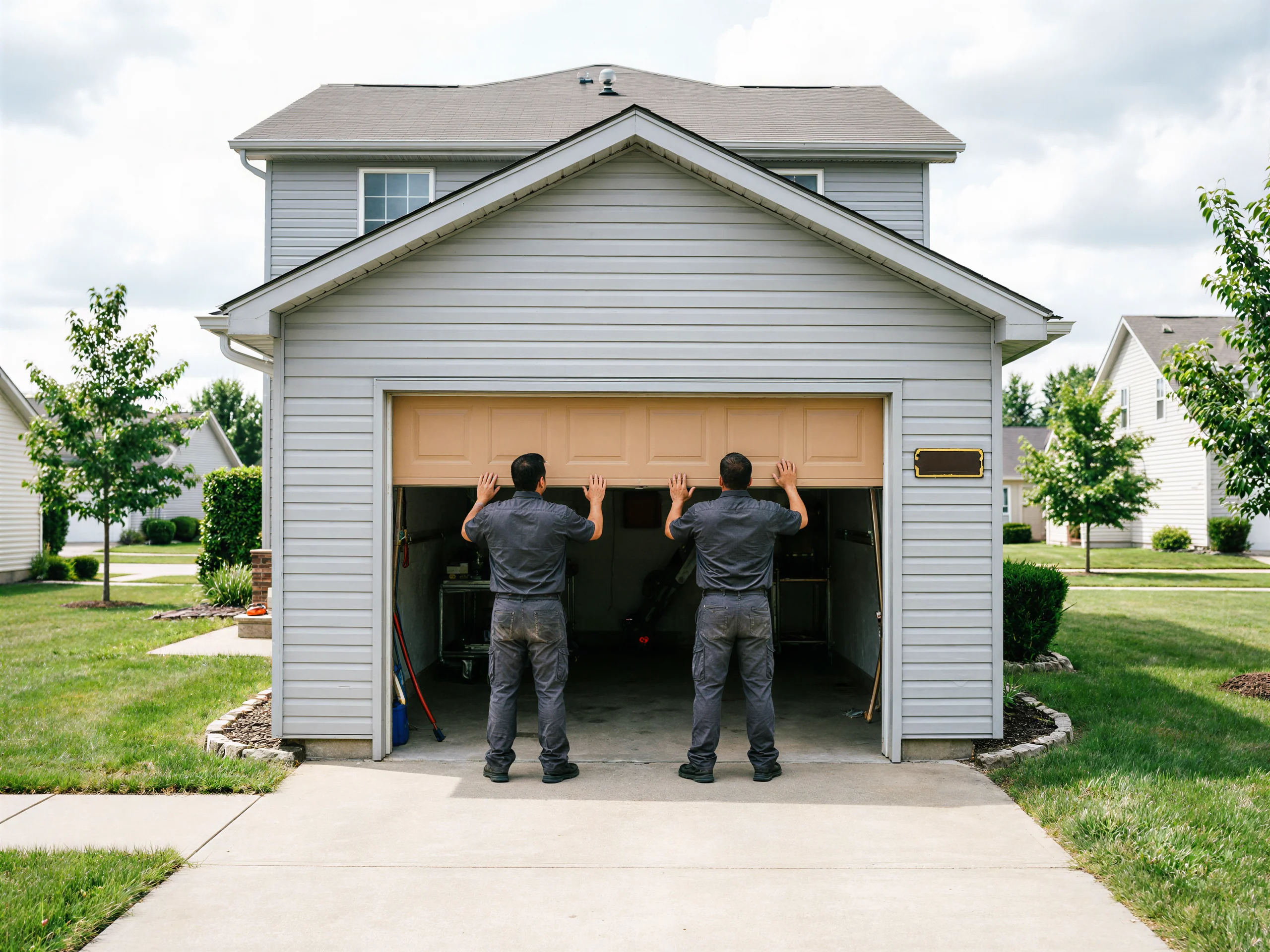
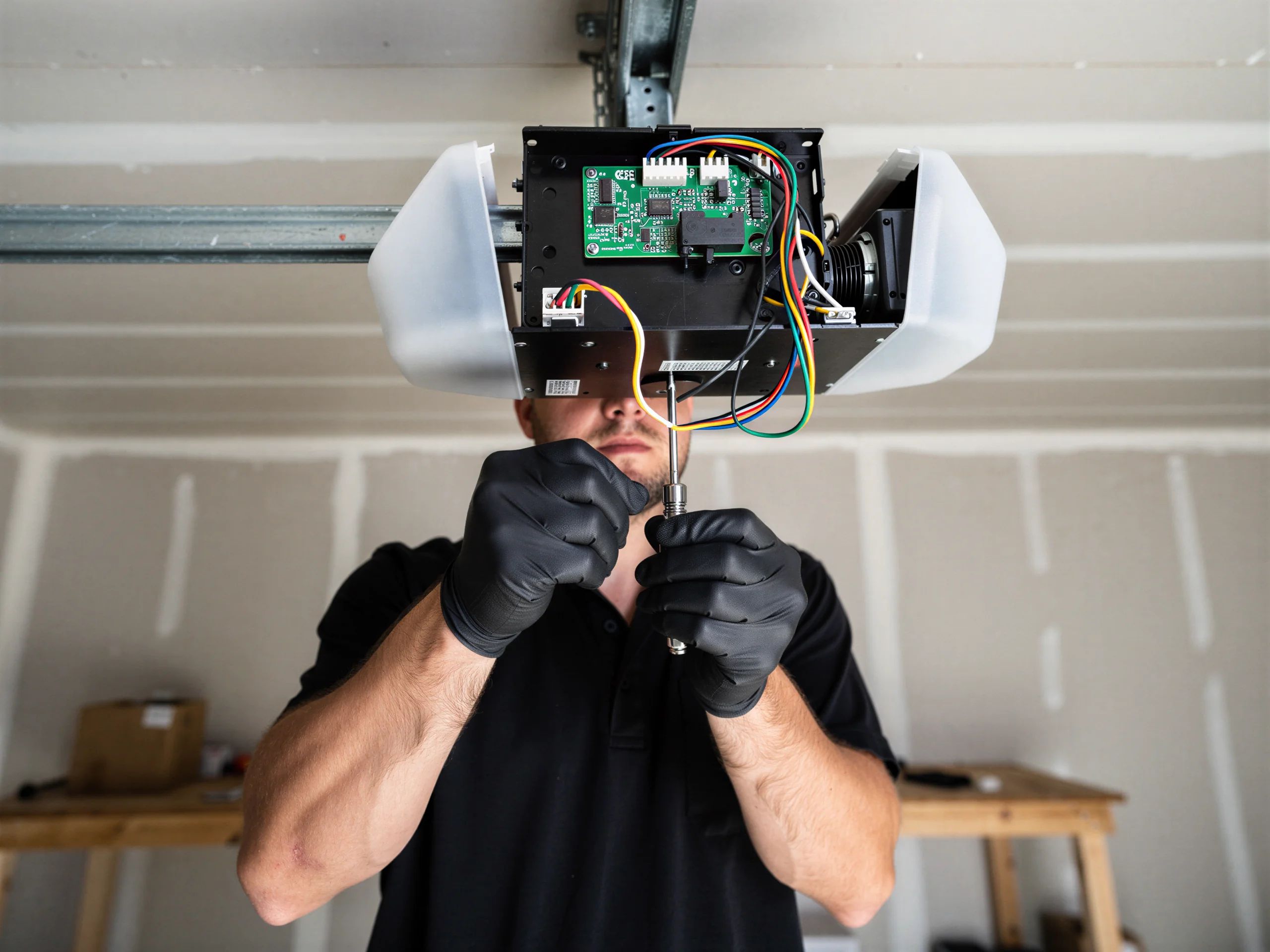
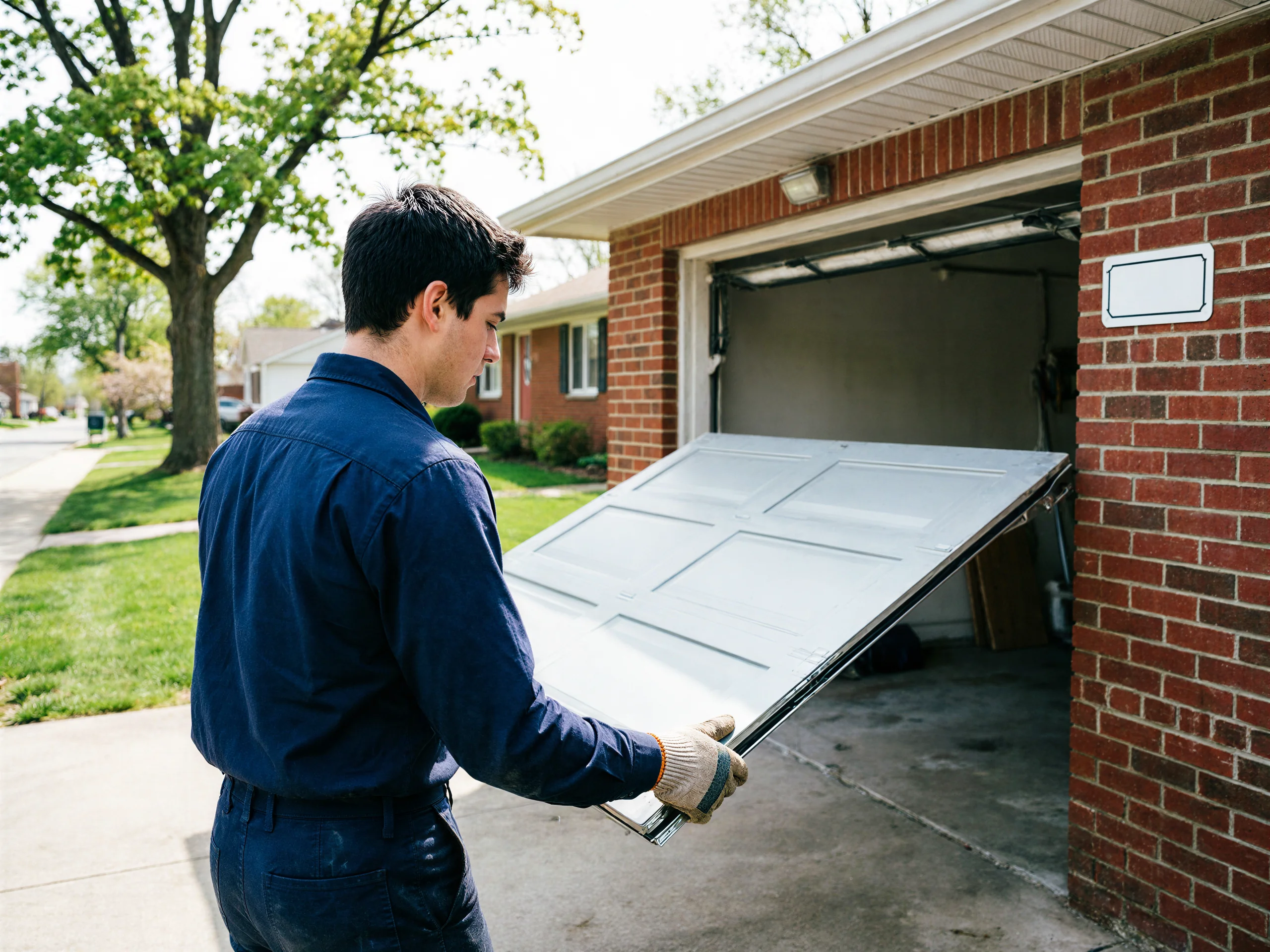
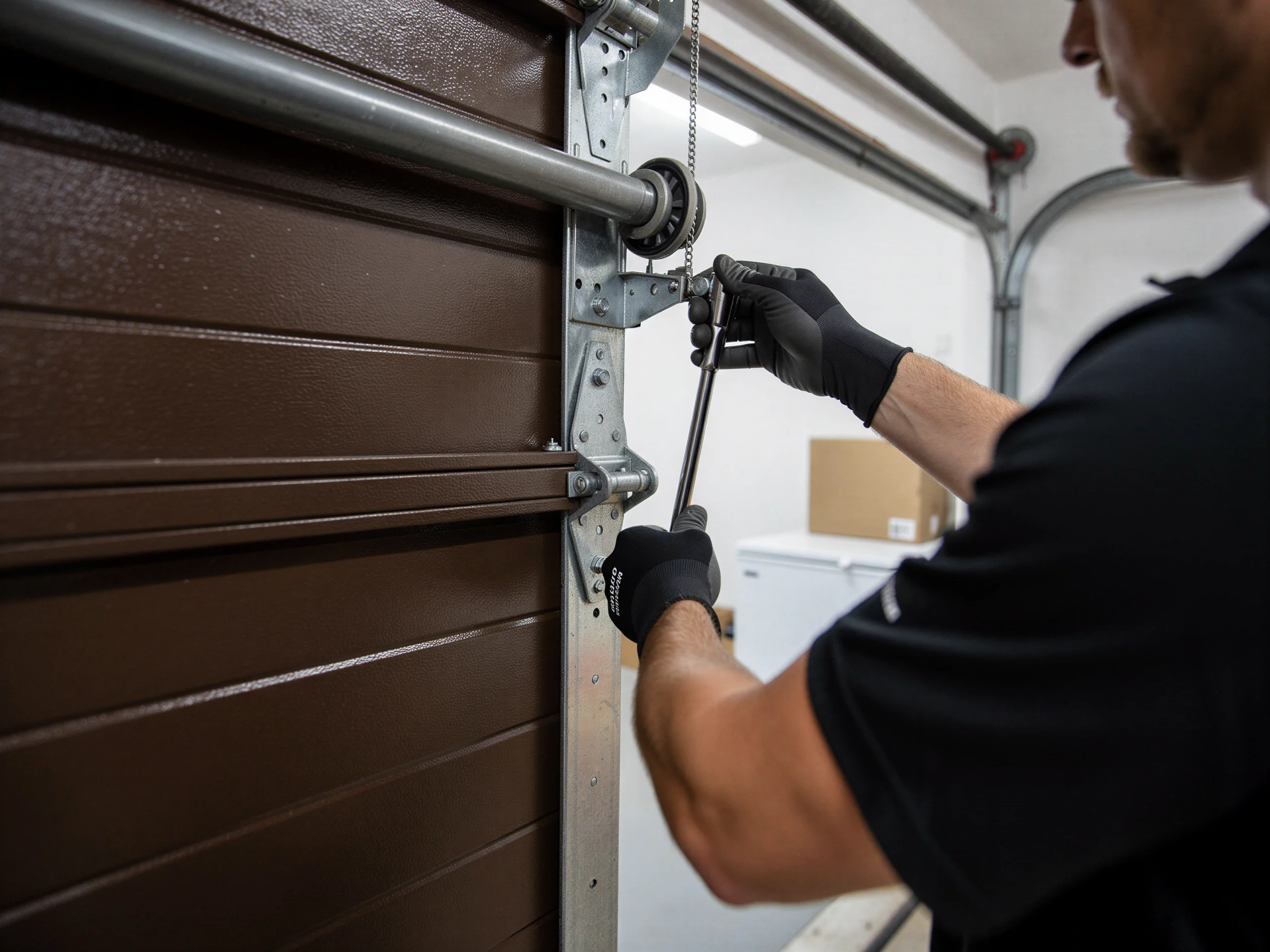
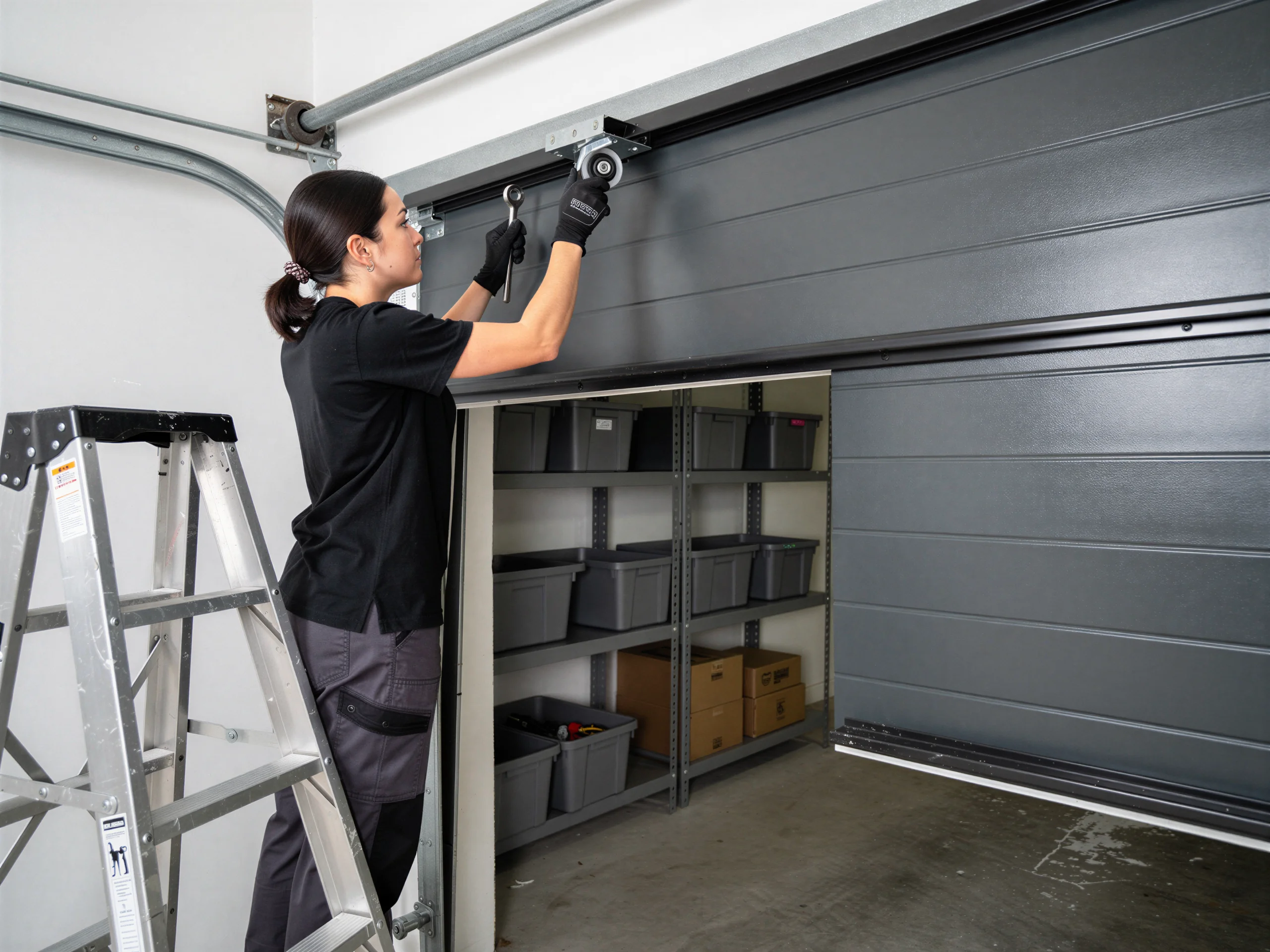
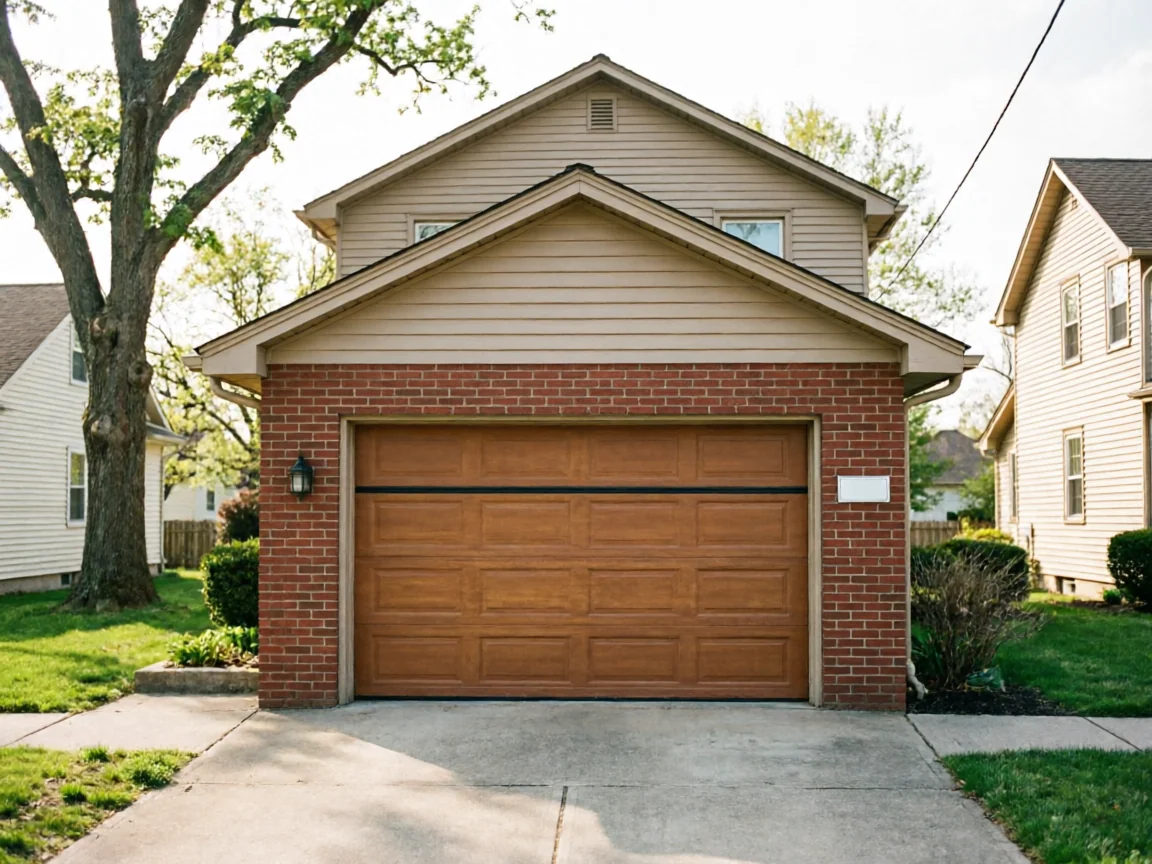
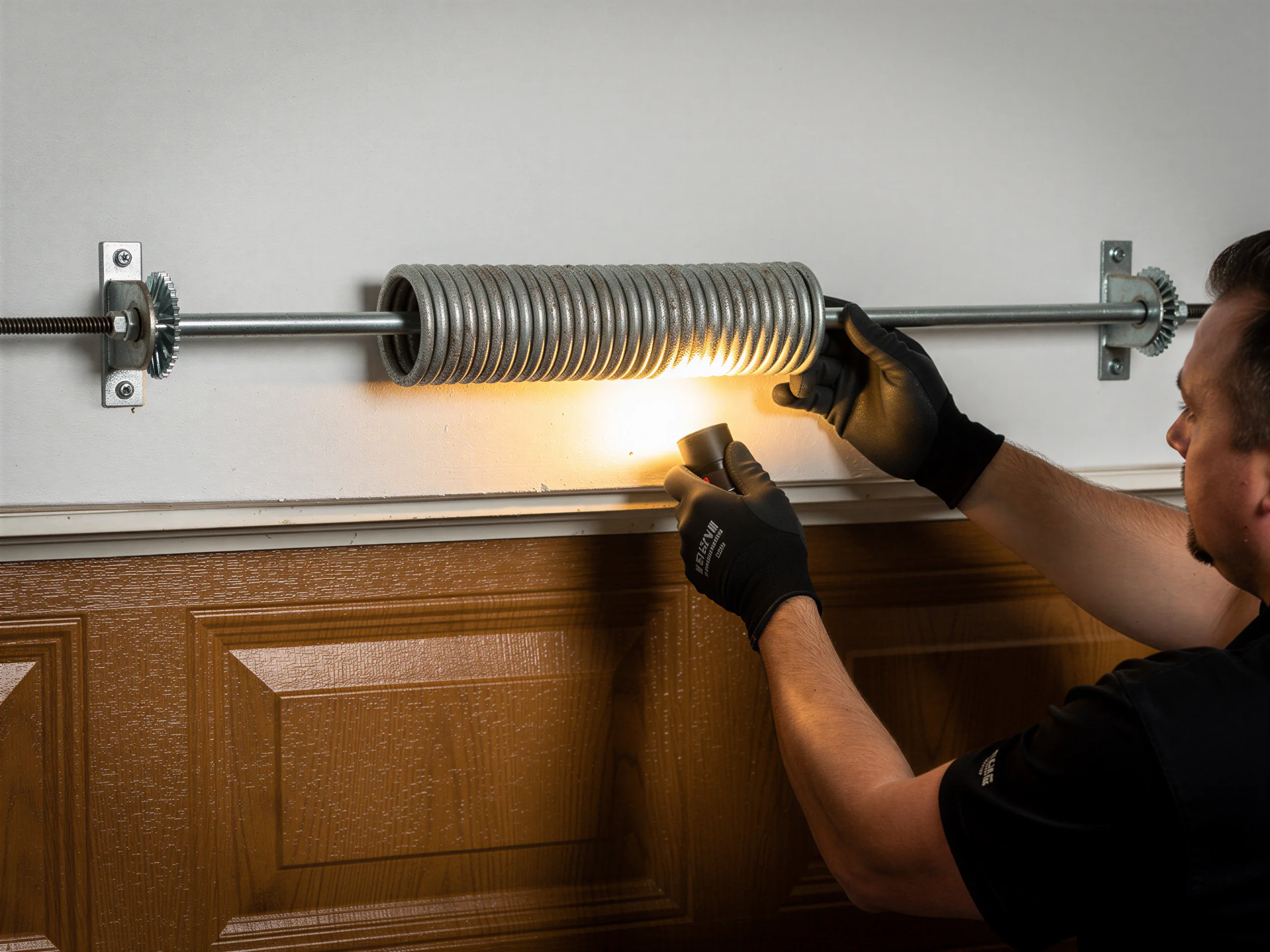
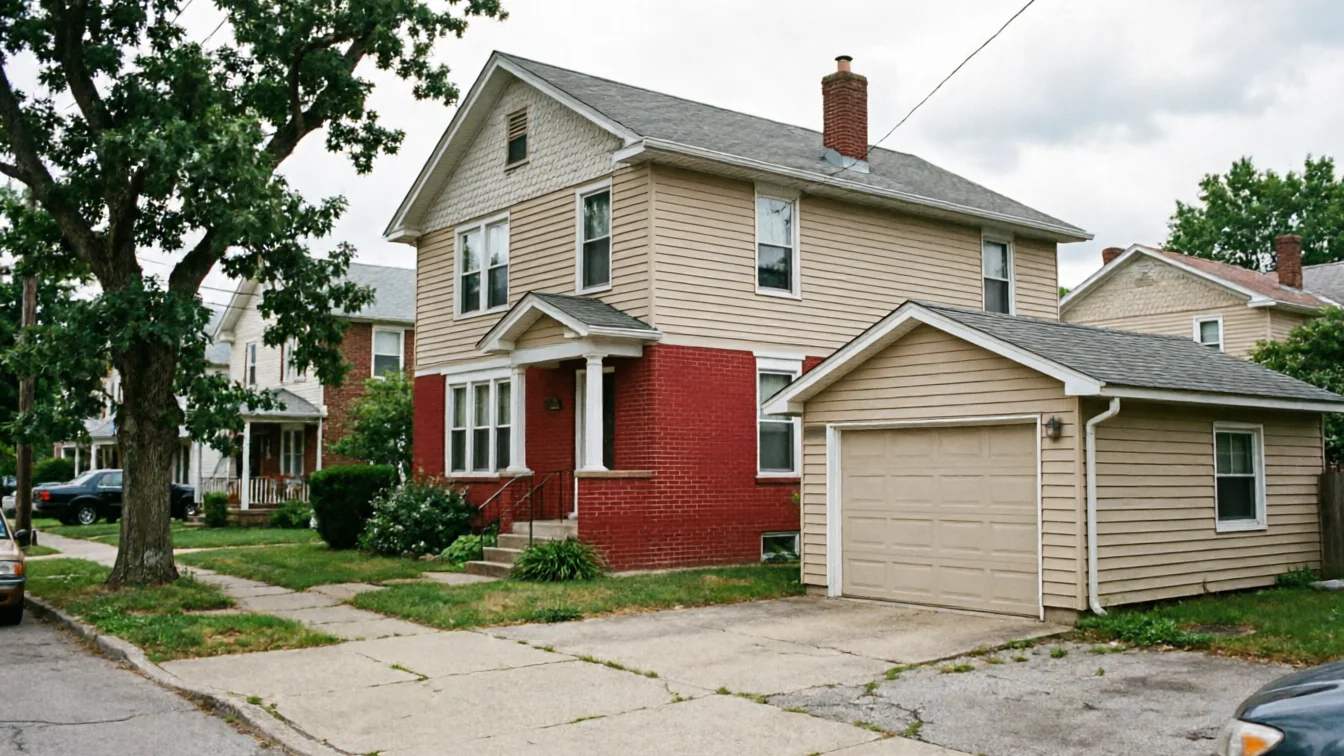
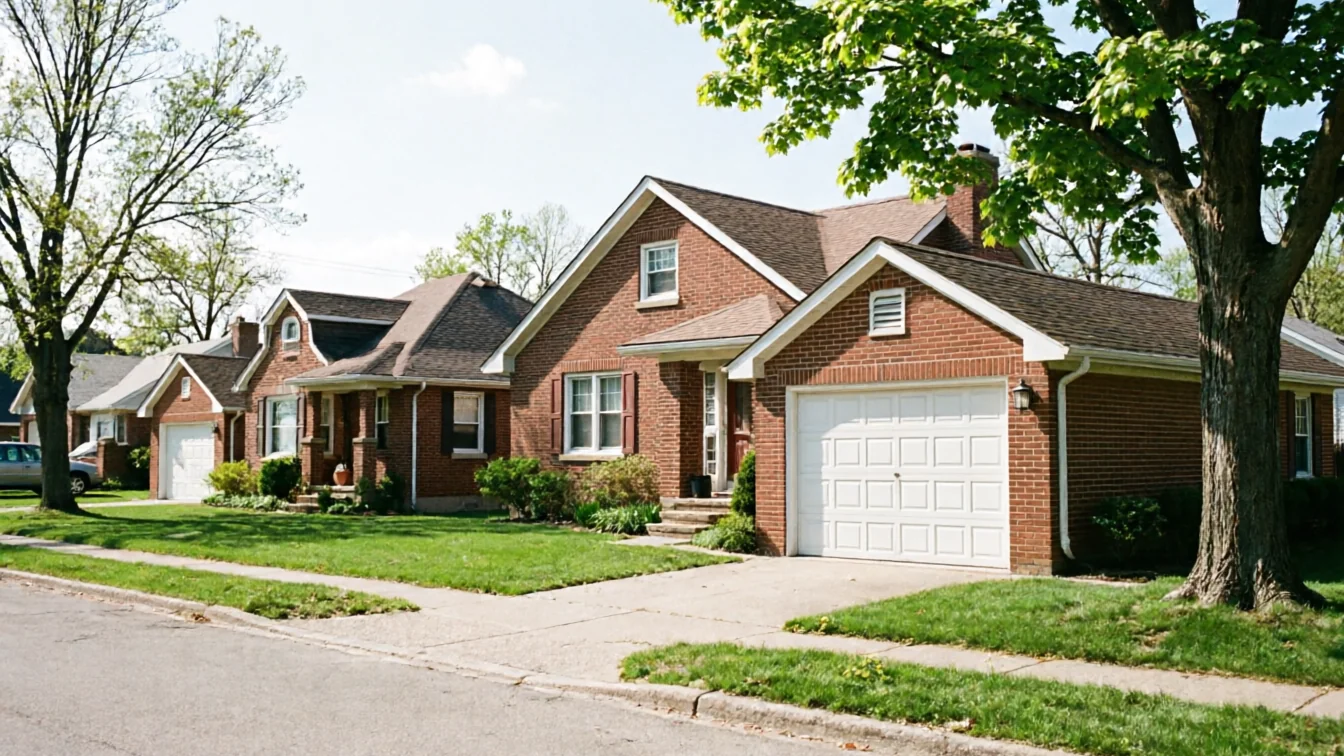
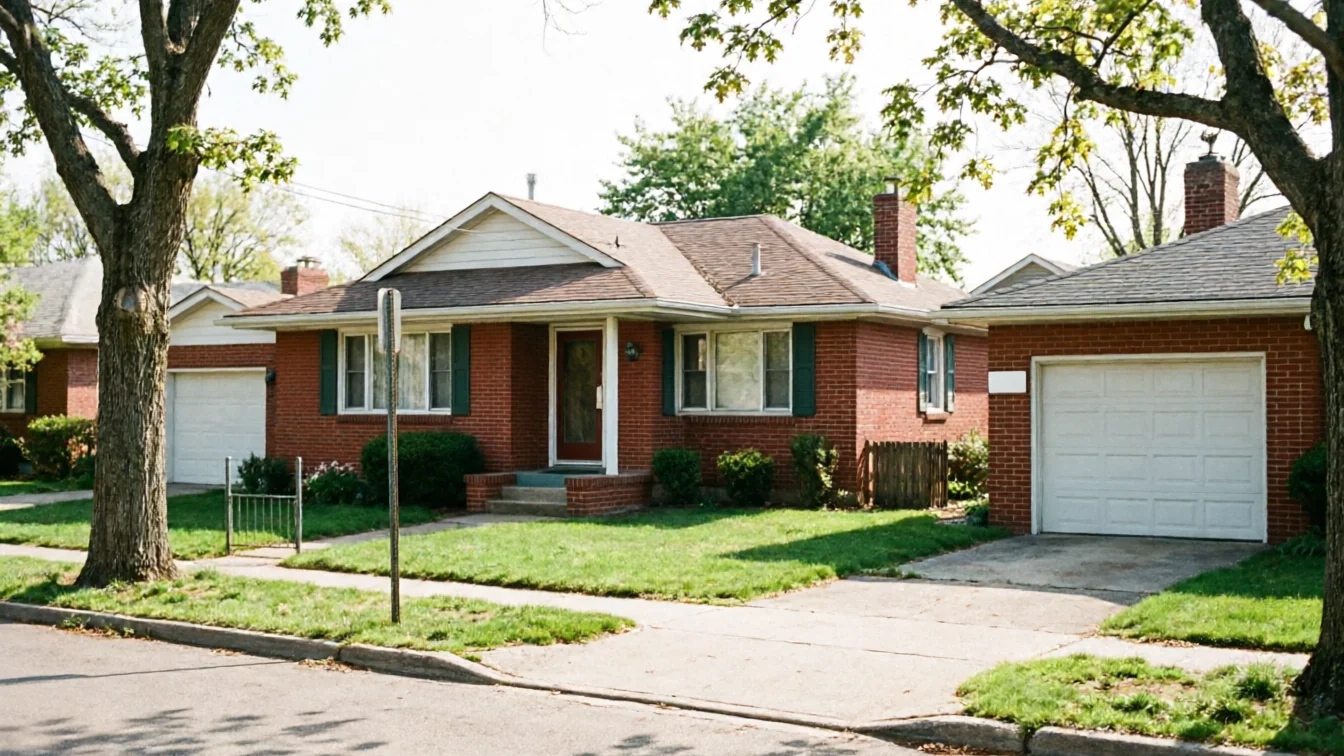
Most of the houses we work on went up between 1965 and 2007, with the median build year landing around 1993. That spread puts three eras of hardware on the same block - older extension-spring setups from the 70s, the torsion conversions that became standard through the 80s and 90s, and newer sectional doors with insulated panels and sensor-equipped openers from the 2000s builds.
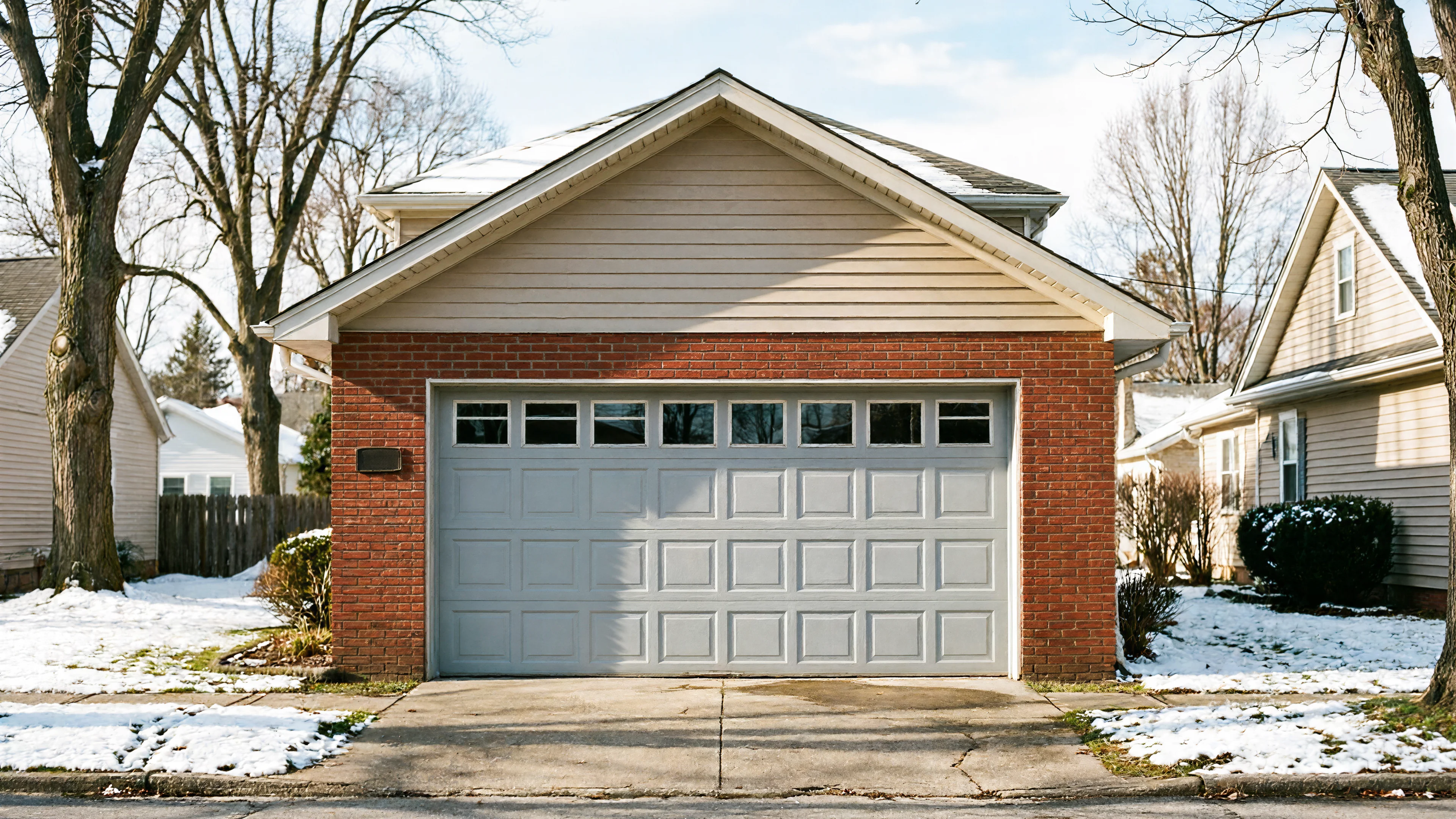
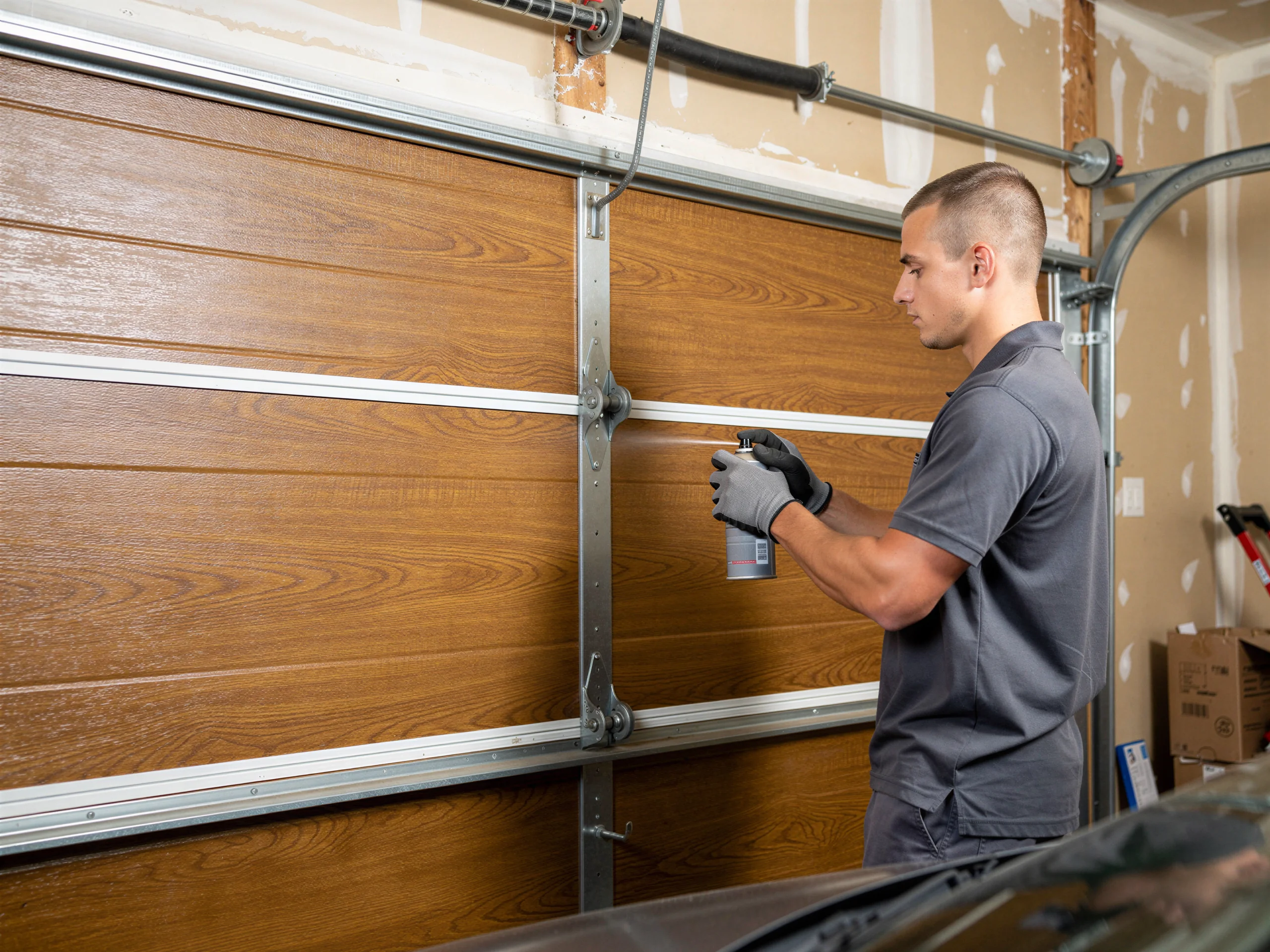
Across the 26 named areas we cover, most of the stock sits squarely in that 1980s-90s window: split-level garages with a single torsion spring sized for a 7-foot door, steel panels that have taken 20-plus winters of freeze-thaw, and openers due for a motor or logic board just from age. The same builders and door models repeat, so the same failures repeat too.
If your house was built in that window, the opener is usually the original or first replacement, and the spring has outlasted at least one owner. We see the same patterns over and over because two decades of comparable construction leaves a service area full of near-identical doors.
The household income here runs a median of $110,833, and it shows up in the work: people replace a worn door with insulated steel rather than patch the same panel a third time, or upgrade an opener instead of waiting for it to fail on a sub-zero morning.