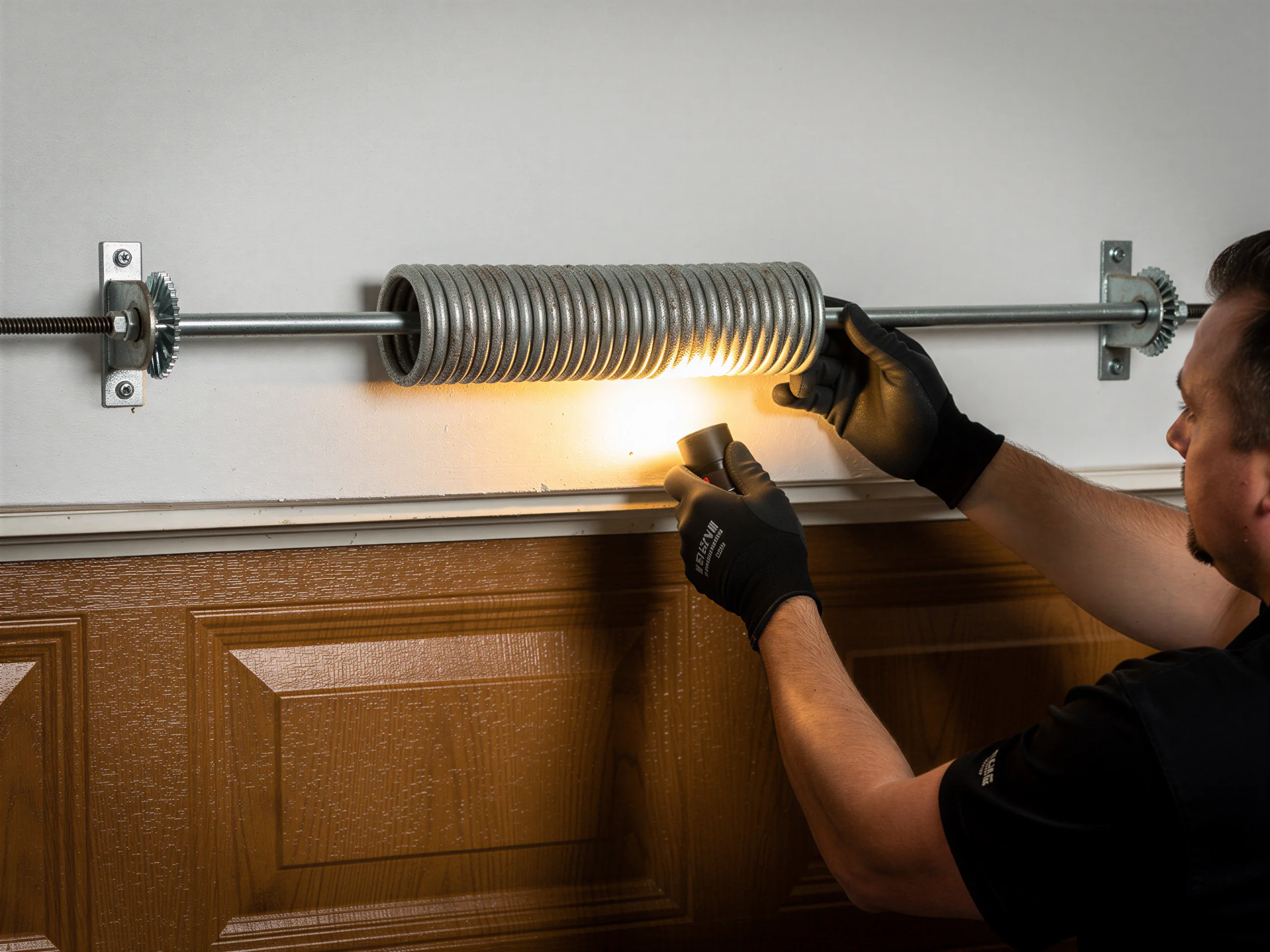
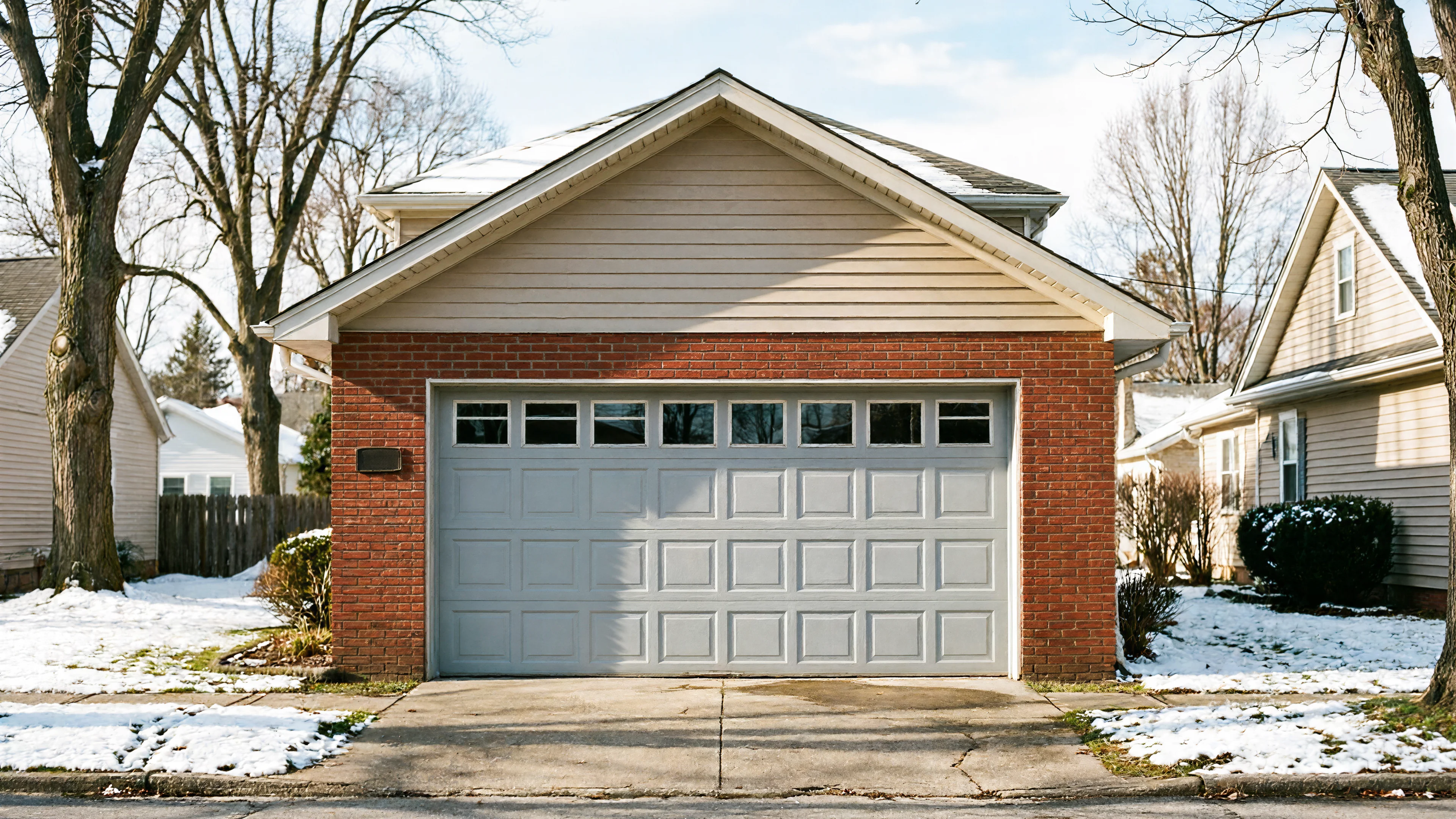
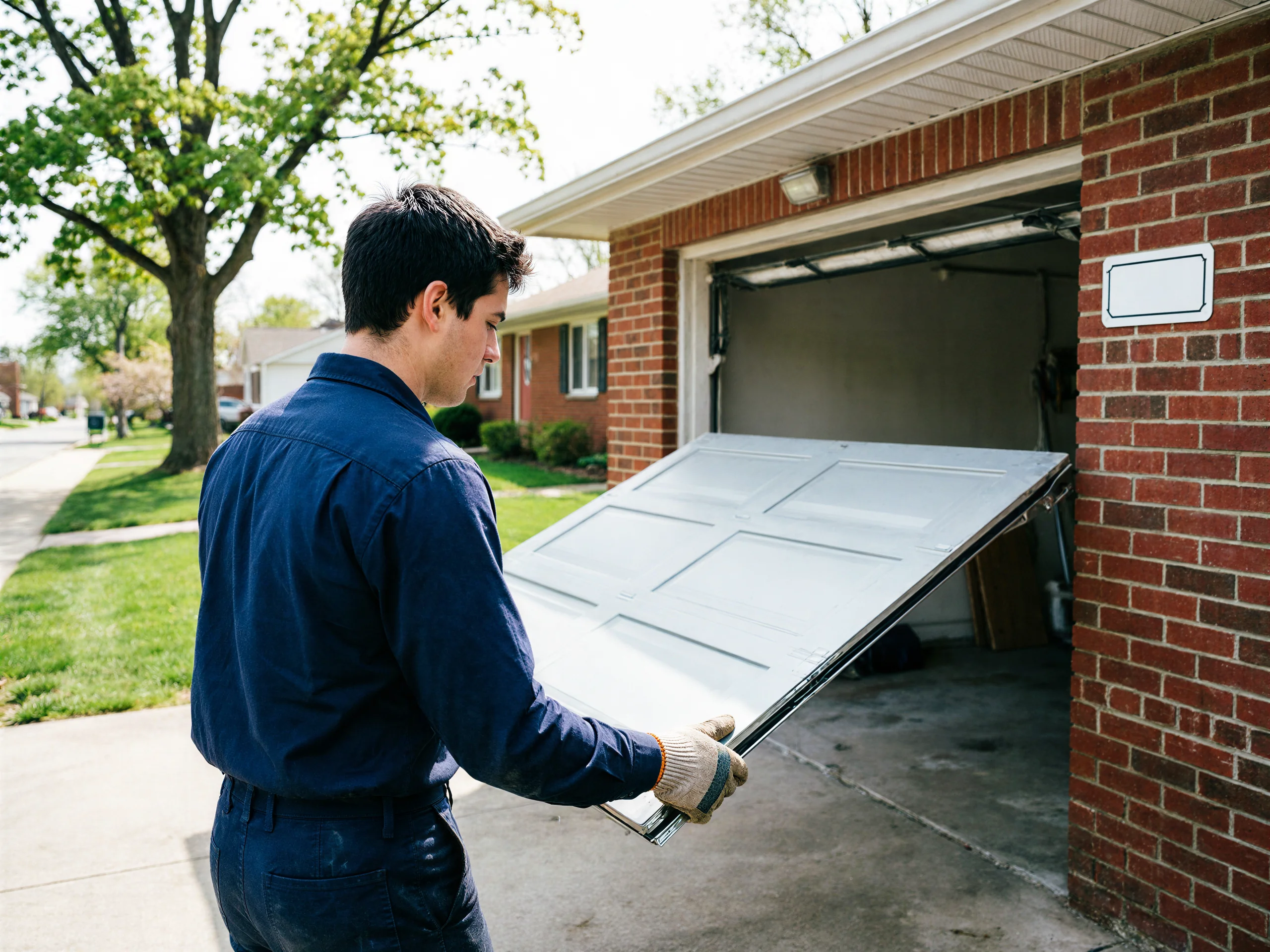
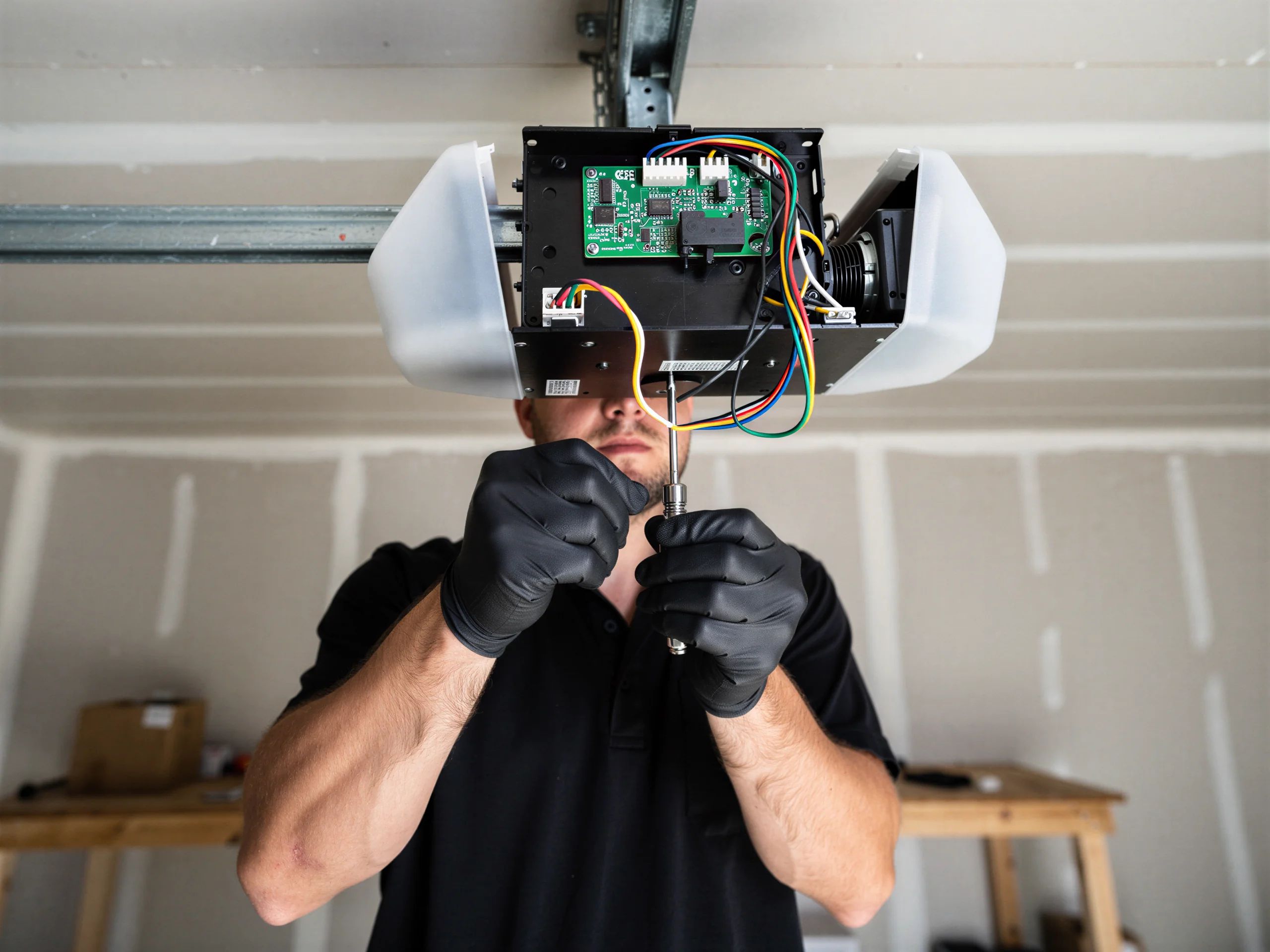
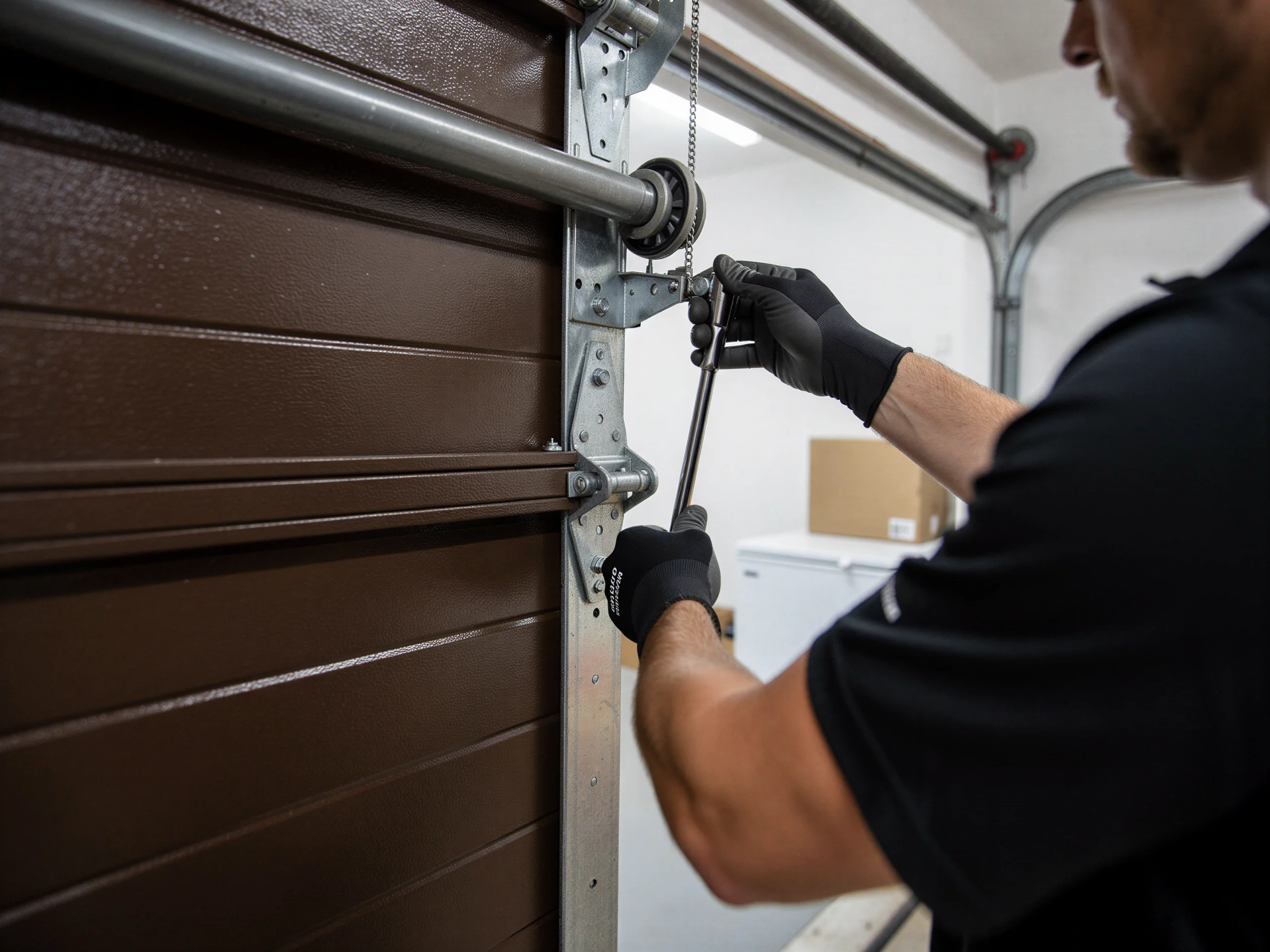
Most houses in the Elk River service area went up between 1965 and 2007, with the typical home dating to 1993, and across the 26 communities this area covers, most homes were built in the 1980s and 90s - the exact era when steel-wound torsion springs were standard equipment on nearly every attached garage. That means a large share of the doors in this area are running on their original springs, now pushing thirty to forty years of daily cycling.
Elk River sits in a cold climate zone classified as severe, which means steel torsion springs cycle through extreme temperature swings every winter. Cold metal loses flex. A spring that's wound and unwound thousands of times in summer heat behaves differently than the same spring doing that work at ten below, and the fatigue that builds up over a winter shows up as a snap in the driveway on an ordinary morning, not during a storm.
With 52,315 owner-occupied houses across this service area, a lot of those original springs are quietly approaching the end of their wire life at the same time, which is why spring calls here cluster by housing age more than by anything dramatic happening to the door itself. It's wear, not an event.