
Spring job versus replacement
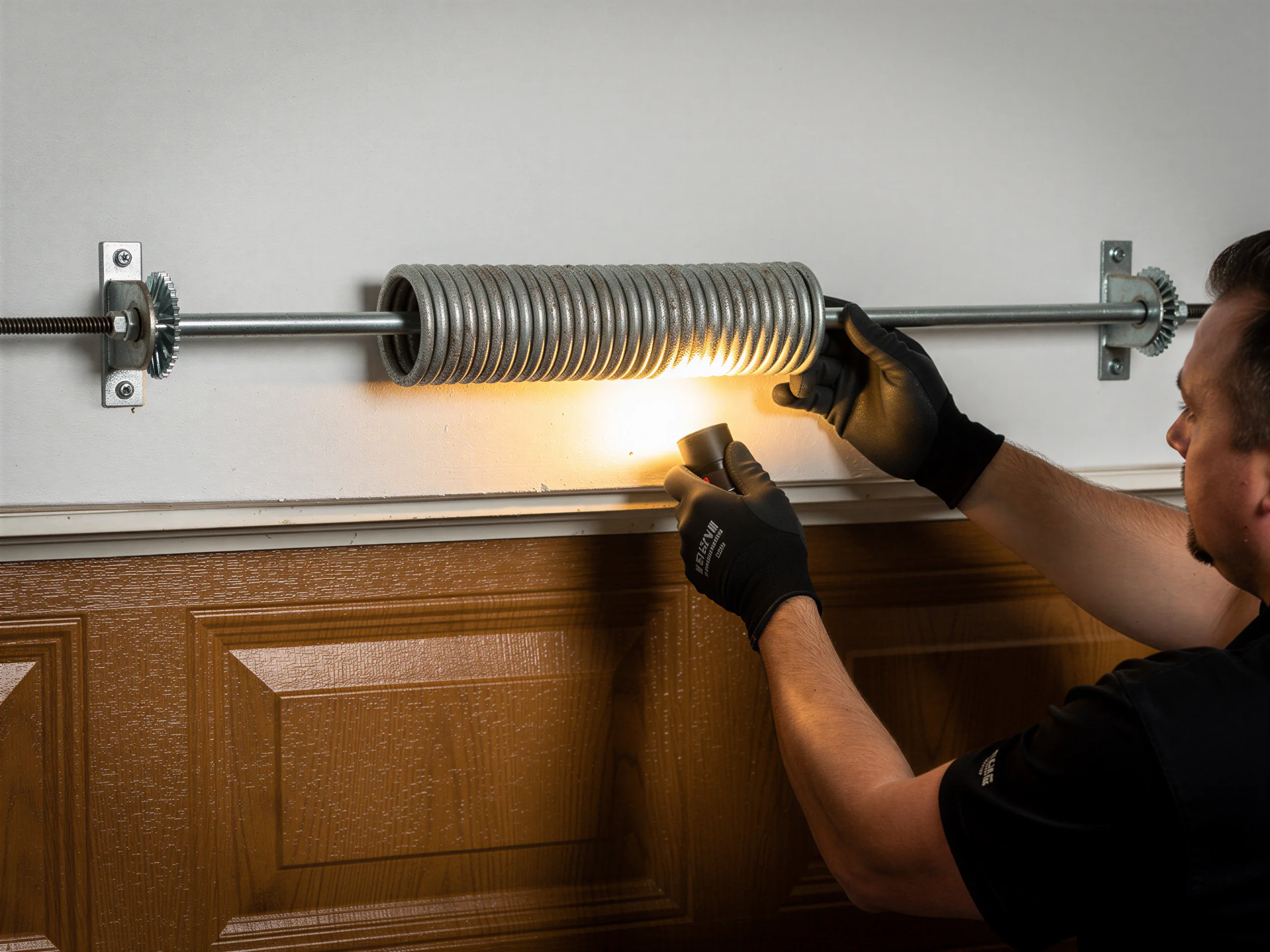
A torsion spring job on a standard double door from that era costs less than replacing the whole door, and it's usually the right call if the track and drums are still straight.
Albertville, Elk River
Albertville homes mostly went up around 1998, which means late-90s torsion springs and chain-drive openers are hitting the end of their life. We come from Elk River, 8 miles out.
Pricing
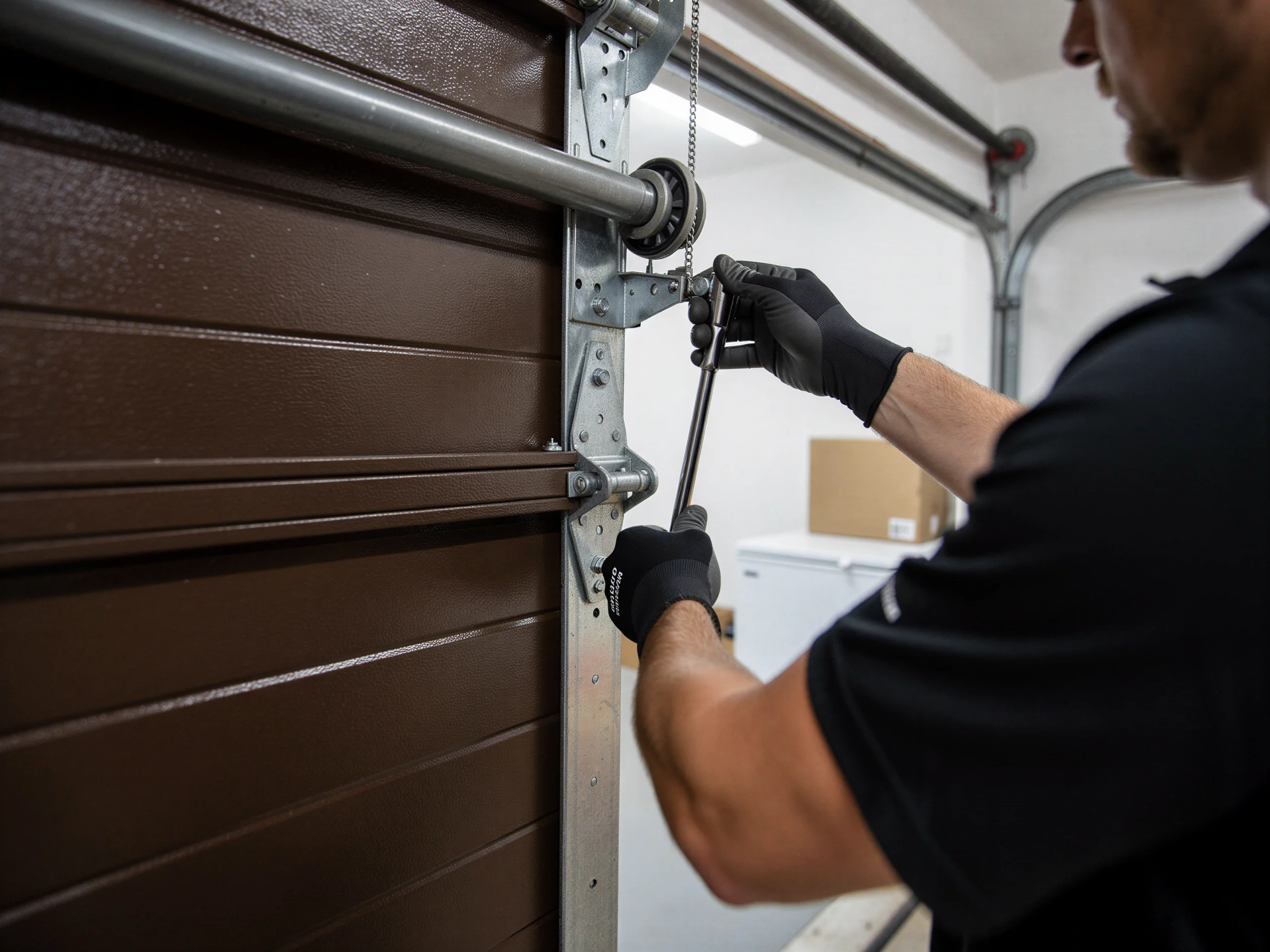
Albertville's housing mostly dates to around 1998, which puts a lot of these garage doors and openers at the 25-plus-year mark - the point where parts wear out rather than break from one bad event.
A torsion spring job on a standard double door from that era costs less than replacing the whole door, and it's usually the right call if the track and drums are still straight.
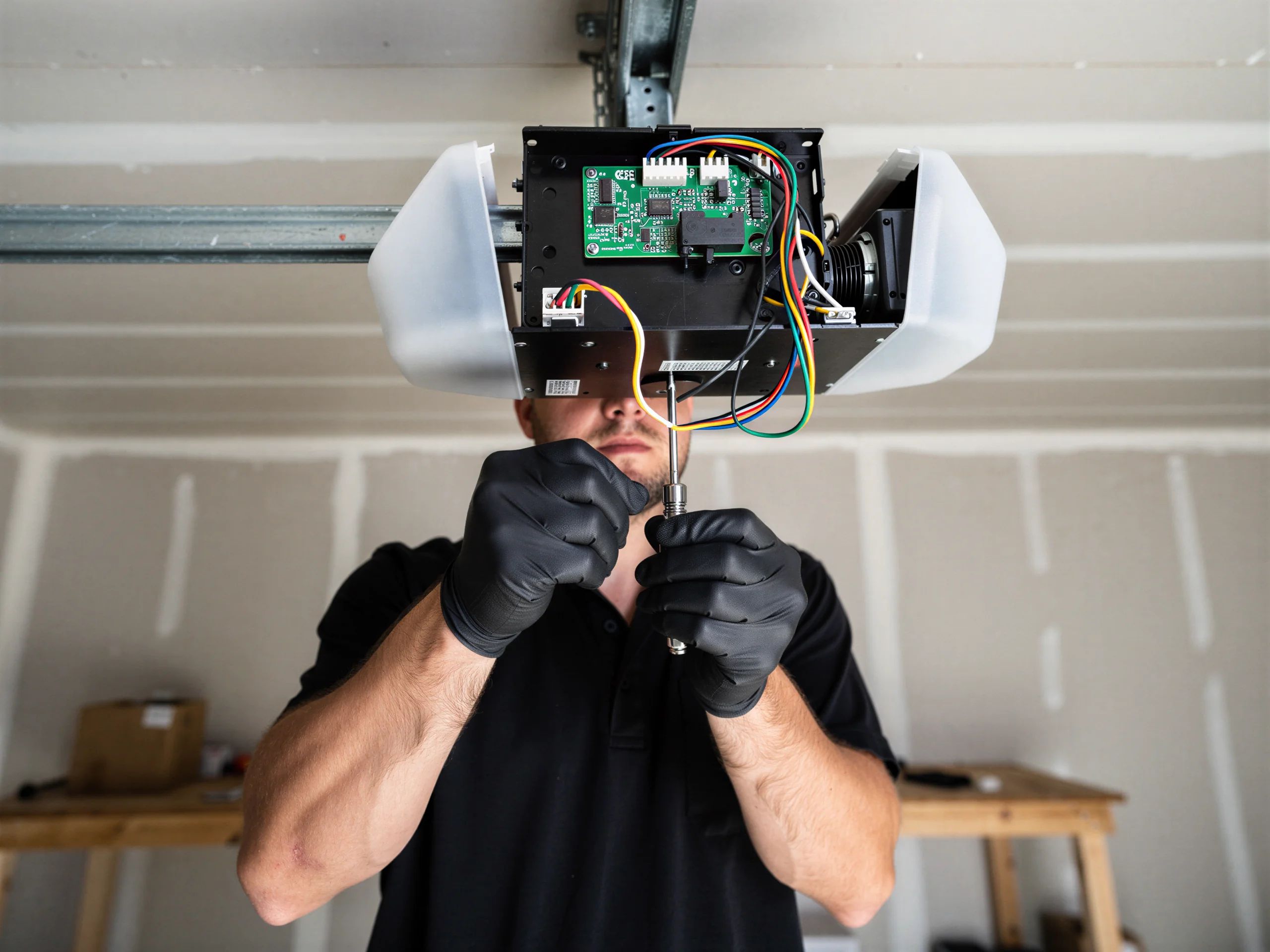
Opener boards and circuit sensors from the late 90s and early 2000s are a different story - once the logic board goes, finding an exact replacement gets hard, and a new opener often ends up cheaper than chasing discontinued parts. We don't quote a flat number here because spring size, door weight, and whether the drums or cables also need replacing all move the price.
What we can tell you is that a same-size torsion spring swap is the most common call we get from this part of our coverage area, and it's priced as labor plus the spring itself, not a diagnostic fee on top of a repair fee. Albertville's household income runs higher than a lot of the towns we cover - median $126,307 - but we price the job the same regardless of the street it's on.
Our process
A door built around 1998 almost always means a torsion spring mounted on a center shaft above the opening, not the older side-mounted extension springs you'd find on anything from before the mid-80s.
That matters because the fix is different: we measure the shaft, wind the new spring to the door's actual weight, and check that the cable drums haven't grooved out from two and a half decades of use. Openers from this build era are usually chain-drive, and by 1998 federal law required photo-eye safety sensors, so most of what we find still has them - the sensors themselves just drift out of alignment or corrode at the wire leads over time, which looks like a dead opener but isn't.
We test the door balance by hand before touching the opener, because a door that's out of balance will burn out a good motor fast, and replacing the opener without fixing the spring just moves the failure six months down the road.
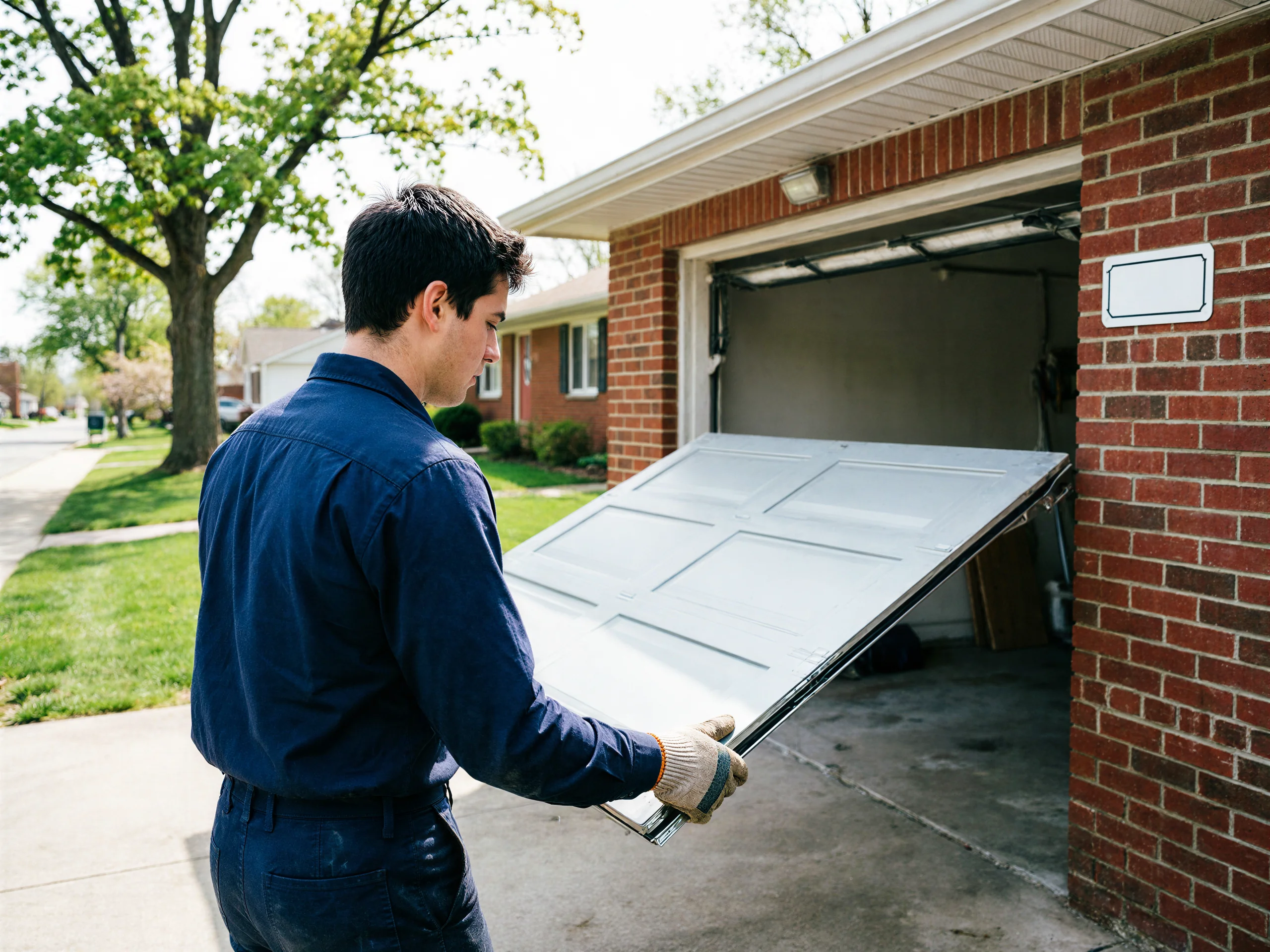
One limitation worth saying plainly: if the track is bent badly enough from age or a hard impact, straightening it isn't worth the labor compared to a new track section, and we'll tell you that instead of charging to bend metal that'll just bend again.
Booking
We run out of Elk River, 8 miles from Albertville, so when you call we're scheduling a drive out rather than dispatching from a depot in town.
That's a short trip compared to a lot of our coverage area, but it does mean we book the visit around the day's route rather than promising a same-hour window.
Tell us the door's symptom when you call - won't open, opens partway and reverses, makes a grinding noise, cable's come off the drum - because that tells us which parts to bring instead of making a second trip.
Albertville is a smaller pocket in our territory, with roughly 2,898 households, so we're not running multiple trucks through it daily the way we might in a bigger town nearby; a little lead time on non-emergency repairs helps us bring the right spring size on the first visit.
Watch-outs
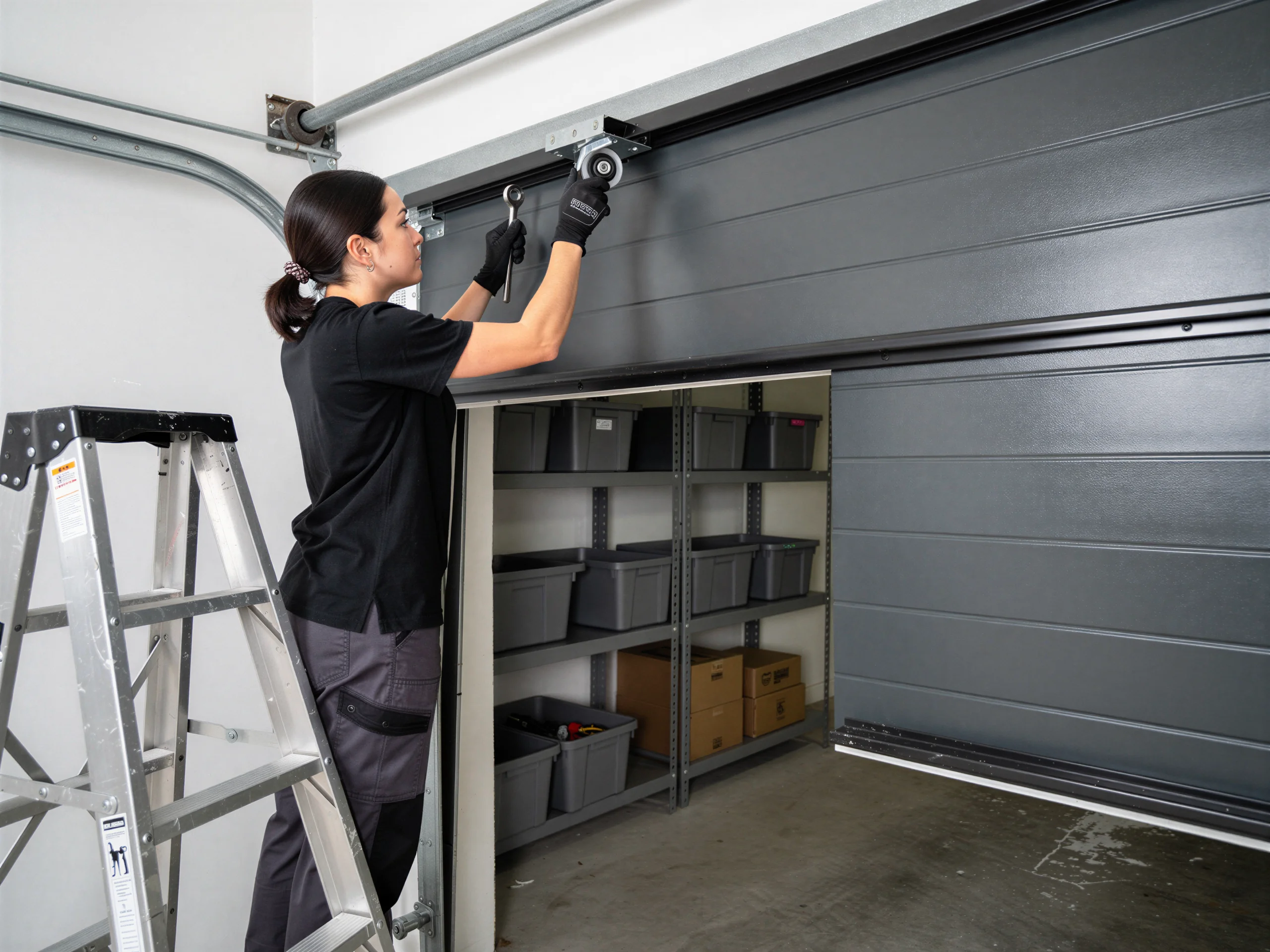
Winters here fall in the cold-severe band, and a garage door spring under tension behaves differently at 10 degrees than at 60 - the steel gets brittle and a spring that's already near the end of its cycle count is more likely to snap on a cold morning than a mild one. That's the most common emergency call pattern we see: fine all fall, dead the first hard cold snap. Nylon rollers from late-90s builds are the other common failure - they've usually gone from quiet to loud over a year or two, and by the time they're grinding, the roller stems have often worn enough to chew up the track edge too, which turns a cheap roller swap into a track repair. Cables fraying at the bottom bracket is the third pattern, usually from a door that's been slightly out of balance for a long time without anyone noticing until the cable finally lets go. None of these are emergencies that can't wait a day or two except a fully off-track door - but a spring that's audibly frayed or a cable with visible strands showing is worth calling about before it fails completely, since a failed cable under load can let a panel drop hard.
Questions
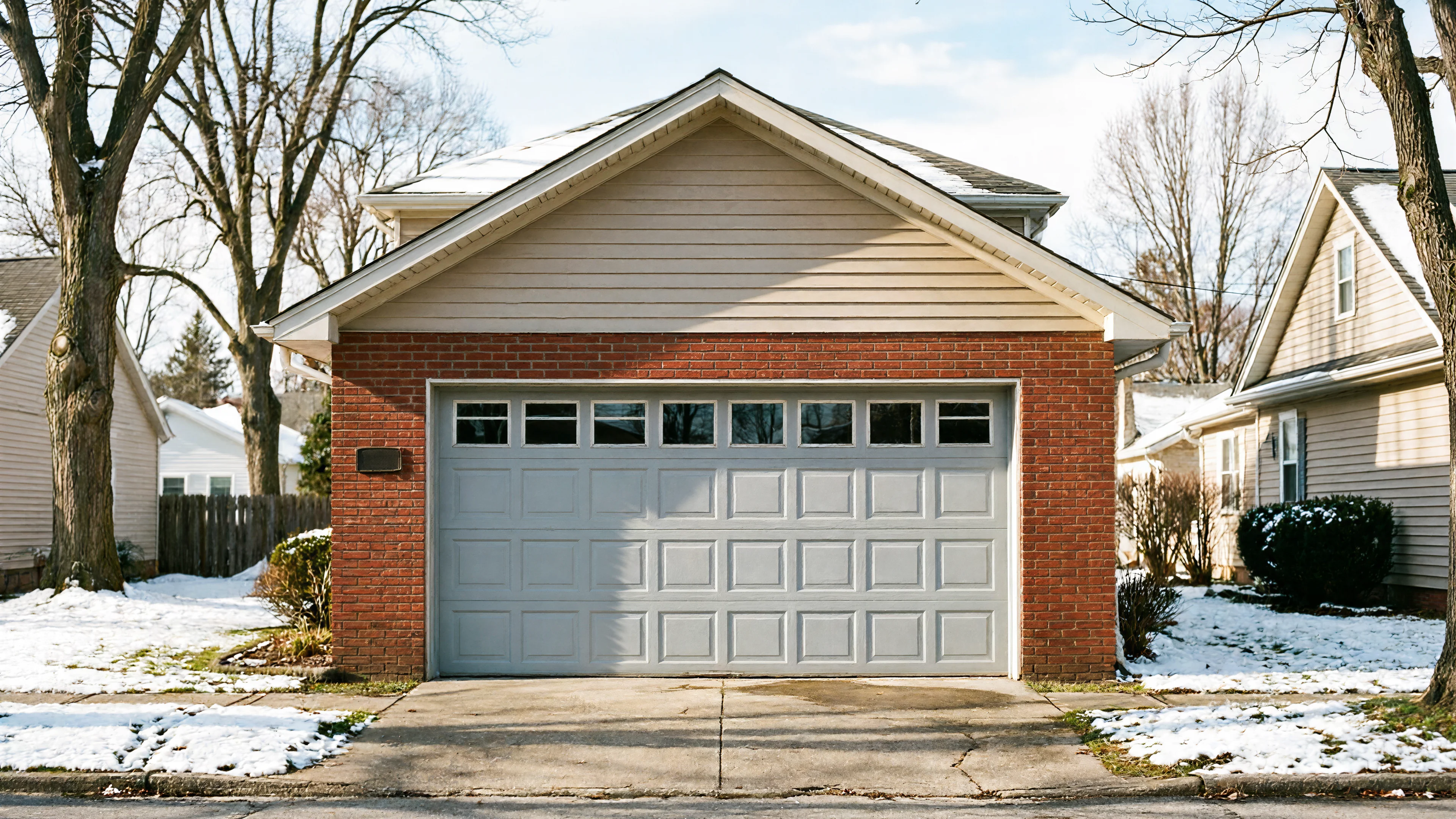
Yes. Houses from the mid-80s and earlier often have side-mounted extension springs; Albertville's housing, mostly built around 1998, almost always has a center torsion shaft instead. The repair process, spring sizing, and mounting hardware are different, so it matters which one you have before anyone quotes a job.
No. We're based in Elk River, about 8 miles away, and we drive out to Albertville for calls. We don't keep a separate branch or truck stationed in town, so visits are scheduled around the day's route rather than dispatched instantly.
Openers from the late 90s and early 2000s often fail at the logic board or the photo-eye sensor wiring rather than the motor itself. Corrosion at a sensor lead or a worn board trace can look like total failure but is sometimes a smaller fix - though once a board itself is bad, replacement parts for that generation of opener are often hard to find.
It's a factor, not the whole cause. A spring near the end of its rated cycle count is more likely to snap when steel is cold and brittle than when it's warm. In our cold-severe climate, we see a real jump in broken-spring calls during the first hard cold snap of the season.
Explore more
Ready when you are
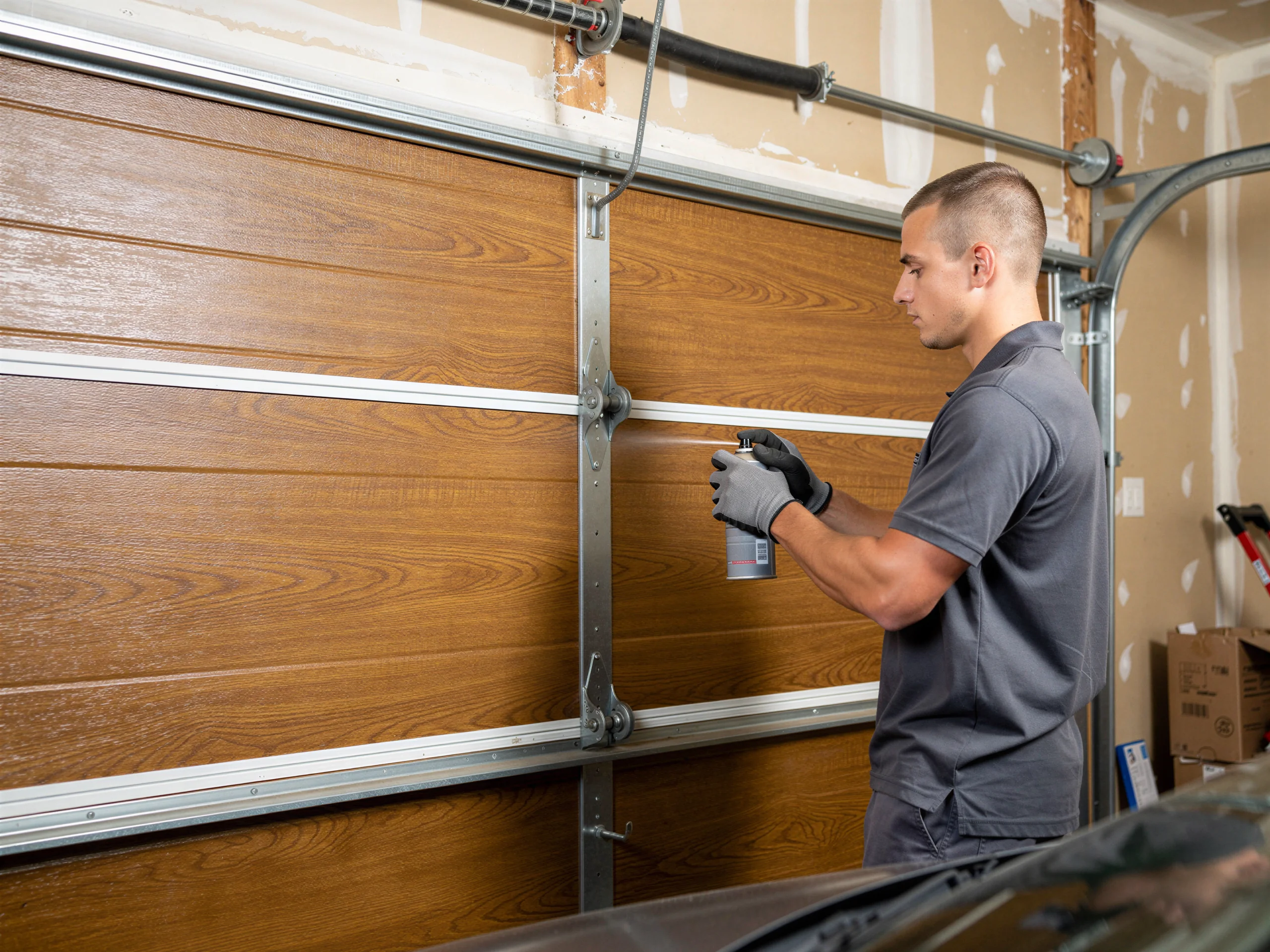
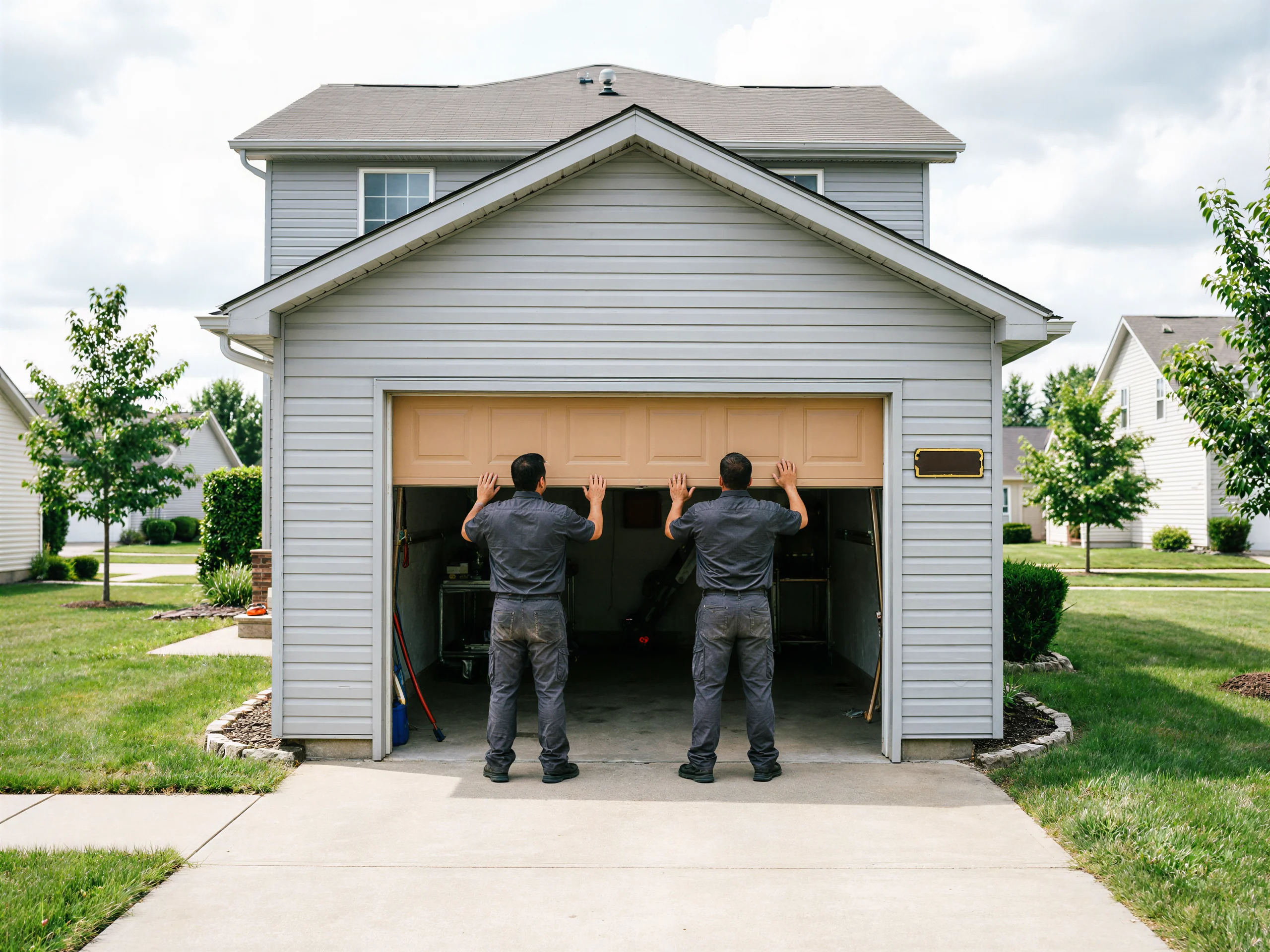
Elk River Garage Door Pros repairs and installs garage doors, springs and openers in Elk River, MN and the surrounding area.